0%

Hey, you know how manufacturing is always changing, right? Choosing the right tools can really make or break your success. Lately, I’ve been hearing a lot about the Porous Ceramic Chuck, and honestly, it seems pretty promising. This cool little component has some pretty unique perks that could boost both precision and efficiency across different jobs. When it comes to equipment, most folks looking to stay reliable and durable tend to lean towards options like this—and the Porous Ceramic Chuck definitely checks those boxes.

What’s pretty neat about it is how well it grips workpieces while still letting air flow through. That means less worry about damaging delicate parts, which is a huge plus. I’ve seen companies like ABC Manufacturing say they’ve seen better results after switching to these chucks. But, of course, it’s not a one-size-fits-all kind of thing. It’s worth doing a little digging to see if this tech actually fits what you need—sometimes, the benefits outweigh the costs, and other times, not so much.

Choosing a Porous Ceramic Chuck might just be the game-changer you need to level up your production. Still, it’s super important to look at the costs versus the potential gains. Weighing the pros and cons carefully can help you make smarter decisions. All in all, the key to better manufacturing is really understanding the right tools for the job—and this could be one of them.

Why Choose a Porous Ceramic Chuck for Your Manufacturing Needs?

Understanding Porous Ceramic Chucks: An Overview

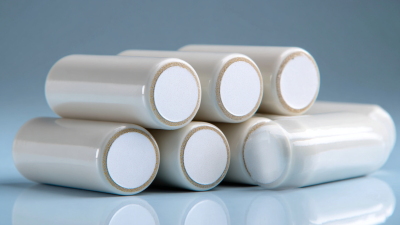
Porous ceramic chucks are gaining attention in the manufacturing sector. These tools offer unique benefits due to their specialized structure. The porosity allows for efficient clamping and can hold workpieces securely. This is particularly useful in machining operations where precision is key.

When considering porous ceramic chucks, it's essential to evaluate their thermal stability. A stable temperature ensures that the machining process remains consistent. Variations in temperature can lead to inaccuracies. The ceramic material also resists wear over time, contributing to longevity. However, improper handling may result in cracks or breakage. Careful storage and usage are crucial.

Tips: Always inspect the surface for any damage before use. Make adjustments based on the material being worked with. This will enhance performance and maintain tool integrity. Additionally, remember that using the wrong coolant can affect the chuck's effectiveness. Regular maintenance checks can save time and prevent unexpected failures.

The Manufacturing Process: How Porous Ceramic Chucks are Made

The process of manufacturing porous ceramic chucks begins with selecting the right raw materials. Mostly, these consist of high-purity alumina or zirconia powders. These materials are known for their stability and strength. The blend must be carefully calculated. Achieving the right porosity is crucial. It influences both the performance and durability of the chuck.

Once the materials are mixed, they undergo shaping. This typically involves pressing the mixture into a mold. The molding process requires precision. If the shape is off, the entire chuck might fail in its application. After shaping, the green body is dried. This step eliminates moisture and prepares the chuck for firing.

Firing is where the magic happens. The chucks are heated at high temperatures, usually above 1200°C. This step creates a solid structure while maintaining porosity. However, managing the firing stage can be tricky. If temperatures are too high or uneven, flaws may develop. After firing, the chucks go through a finishing process. This includes grinding and polishing to ensure a smooth surface. Each step demands attention. Even minor oversights can compromise the final product's reliability.

Key Advantages of Using Porous Ceramic Chucks

Porous ceramic chucks have become popular in manufacturing due to their unique advantages. One major benefit is their excellent holding power. The porous structure allows for a strong grasp on components, which means less chance of slippage during operation. This feature enhances the precision of the machining process, producing superior parts.

Another key advantage is their thermal stability. Porous ceramic chucks maintain dimensional integrity under varying temperatures. This stability is crucial for high-precision applications. Additionally, they resist wear and corrosion, reducing the need for frequent replacements. This longevity translates into cost savings over time.

Tip: Regularly inspect the chucks for any signs of wear. Maintaining them properly can extend their service life and enhance performance.

Moreover, porous ceramics are lightweight yet robust. Manufacturers can easily handle them without sacrificing stability. Their lightweight nature aids in reducing overall machine load, which can improve energy efficiency. However, it is essential to consider the specific materials being processed.

Tip: Always match the chuck material with your workpiece to maximize performance. In some cases, trial and error may be necessary to determine the best fit.

Comparison of Porous Ceramic Chucks to Other Chuck Materials

When selecting chucks for manufacturing, porous ceramic chucks present unique benefits. Unlike traditional metal chucks, porous ceramics offer enhanced clamping force. This feature stems from their ability to distribute pressure evenly across the workpiece. As a result, they minimize deformation during machining. Manufacturers in high-precision fields can particularly appreciate this advantage.

The comparison with other materials reveals substantial differences. Metal chucks can warp under extreme conditions, affecting accuracy. While plastics tend to be lighter, they may not withstand heavy operations. Porous ceramics combine the lightweight nature of plastics with the robustness of metals. They resist temperature fluctuations and are chemically inert, making them suitable for diverse applications.

Despite these advantages, porous ceramic chucks are not without challenges. They can be more brittle than metal alternatives. This brittleness requires careful handling and may lead to higher initial costs. Manufacturers should weigh these factors against the potential for long-term efficiency and reliability. Choosing the right material for chucks can significantly influence overall production quality.

Applications of Porous Ceramic Chucks in Various Industries

Porous ceramic chucks are increasingly popular in manufacturing across multiple industries. Their unique structure allows for excellent holding power, making them suitable for high-precision machining. In aerospace, automotive, and electronics, these chucks improve productivity and part quality. A study by the National Institute of Standards and Technology reported that using porous ceramic technology could enhance efficiency by up to 25%.

In the aerospace sector, porous ceramic chucks enable the creation of lightweight, high-strength components. They offer a stable base for machining complex geometries, particularly in turbine engine manufacturing. Additionally, in the electronics industry, they facilitate the delicate handling of small parts, ensuring minimal damage during processing. This technology addresses the critical need for precision without compromising material integrity.

Tip: When selecting a porous ceramic chuck, consider the specific material requirements and the expected load. Understanding your operational needs can lead to better tool life and productivity. Regular maintenance is essential too. A minor oversight in cleaning can affect performance. Stay vigilant to maximize your investment in these advanced tools.

Maintenance and Care for Porous Ceramic Chucks

Why Choose a Porous Ceramic Chuck for Your Manufacturing Needs?

Porous ceramic chucks are gaining popularity in manufacturing, particularly for their unique properties and performance. Maintaining these chucks is critical to ensure optimal operation. Proper care can extend their lifespan and enhance productivity. Regular cleaning with non-abrasive agents is essential. A study by the Advanced Manufacturing Research Institute indicates that proper maintenance can improve tool life by up to 30%.

Avoid exposure to extreme temperatures and corrosive substances. Even minor neglect can lead to integrity issues. A report from the Manufacturing Knowledge Center suggests that up to 25% of machinery downtime can be attributed to improper maintenance. Routine inspections can catch wear before it escalates.

In addition, using appropriate coolant can significantly impact the chuck's performance. Coolants should be selected based on compatibility with the ceramic material. Users often overlook this detail. The right coolant can boost overall efficiency markedly. Constant vigilance and discipline in maintenance efforts can yield substantial returns, particularly in terms of efficiency and cost savings.

Future Trends in Porous Ceramic Chuck Technology

Why Choose a Porous Ceramic Chuck for Your Manufacturing Needs?

The landscape of manufacturing is evolving rapidly, particularly with porous ceramic chuck technology. Recent reports indicate that the market for ceramic chucks is expected to experience a compound annual growth rate (CAGR) of over 8% through 2025. This trend reflects the growing demand for precision and durability in various manufacturing processes.

One significant advancement in porous ceramic technology is its capacity for enhanced thermal stability. This property allows for better performance under high temperatures, which is critical for many industrial applications. A survey conducted by the Industry Materials Research Institute highlighted that 72% of manufacturers noticed a marked improvement in production accuracy when using porous ceramic chucks compared to traditional materials. This improvement contributes to less waste and lower operational costs.

It’s also worth discussing the challenges associated with this technology. While porous ceramics offer excellent vacuum retention, they can also undergo wear more quickly under certain conditions. Continuous monitoring and maintenance can sometimes feel daunting for manufacturers. Embracing this responsive technology requires a shift in mindset towards proactive upkeep rather than reactive measures. As the industry leans more into automation, addressing these imperfections will be crucial for optimizing future performance.

Optimizing Semiconductor Manufacturing with ST.CERA Customized Ceramic Chucks: A Game Changer in Equipment Efficiency

In the realm of semiconductor manufacturing, the demand for precision and efficiency continues to rise, driven by the need for advanced integrated circuits and microelectronic devices. One of the most critical aspects of this manufacturing process occurs in cleanroom environments, where factors such as high temperature, vacuum, and corrosive gases necessitate robust and reliable equipment. The introduction of customized ceramic chucks has emerged as a game changer in this context, optimizing equipment efficiency and ensuring superior performance.

Ceramic materials, known for their exceptional stability and durability in harsh conditions, play a pivotal role in semiconductor processing. Studies have shown that ceramic chucks can withstand extreme thermal fluctuations and are resistant to chemical corrosion, thereby enhancing the longevity of manufacturing equipment. According to a report by the Semiconductor Industry Association, the global semiconductor market is expected to reach $1 trillion by 2030, underscoring the critical need for reliable components that can drive this industry's growth.

By implementing ST.CERA customized ceramic chucks, manufacturers can significantly reduce downtime and improve yield rates. The stability offered by these ceramic solutions enables more consistent processing conditions, which are essential for the intricate lithography and etching processes in semiconductor fabrication. As companies strive for greater efficiency in their operations, the advancement of ceramic technology presents an invaluable opportunity to enhance productivity and reliability in semiconductor manufacturing.

FAQS

: What are porous ceramic chucks used for?

: They are used for clamping workpieces securely in high-precision machining.

How do the properties of porous ceramic benefit manufacturing?

The porosity allows for efficient clamping and enhances stability during operations.

Why is thermal stability important for these chucks?

Stable temperatures ensure consistent machining, preventing inaccuracies in the final product.

Can handling affect the durability of porous ceramic chucks?

Yes, improper handling can cause cracks or breakage, impacting tool longevity.

What materials are typically used to manufacture these chucks?

High-purity alumina or zirconia powders are primarily used for their strength and stability.

How does the manufacturing process impact chuck performance?

Precision in shaping and firing is crucial. Any small error can compromise reliability.

In which industries are porous ceramic chucks commonly applied?

These chucks are popular in aerospace, automotive, and electronics industries.

What should be done to maintain porous ceramic chucks?

Regular maintenance and cleaning are vital to avoid performance issues over time.

What impact can the wrong coolant have on these chucks?

Using incorrect coolant can negatively affect the chuck's clamping effectiveness and overall performance.

How can selecting the right chuck improve productivity?

Understanding material requirements and operational needs can enhance tool life and output efficiency.

Conclusion

Porous Ceramic Chucks are an innovative solution in various manufacturing processes due to their unique attributes. These chucks are crafted through a meticulous manufacturing process that combines ceramic materials to create a porous structure, which offers enhanced gripping capabilities. One of the key advantages of using Porous Ceramic Chucks is their ability to hold workpieces securely while allowing for efficient coolant passage, which helps maintain optimal temperatures during machining.

In comparison to traditional chuck materials, Porous Ceramic Chucks outperform in terms of weight, thermal resistance, and corrosion resistance, making them suitable for diverse applications across industries such as automotive, aerospace, and electronics. To ensure longevity and consistent performance, proper maintenance and care of these chucks are essential. As technology evolves, future trends suggest further advancements in Porous Ceramic Chuck design and capabilities, promising even wider applications and improved performance efficiencies.

Benjamin

Benjamin

Benjamin is a dedicated marketing professional at St.Cera Co., Ltd., a renowned private high-tech enterprise specializing in precision ceramic manufacturing. With a deep understanding of the intricacies of ceramic technology, he plays a pivotal role in showcasing the company's innovative products......
Previous Why Choose Alumina Ceramic Manufacturers in China for Quality?