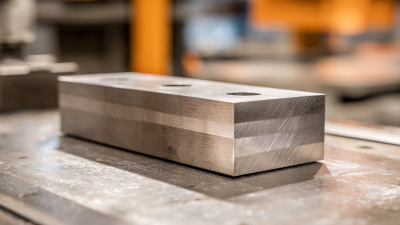
Lately, more and more industries are realizing just how valuable it is to work with Alumina Ceramic Manufacturers in China. Their expertise in making top-notch alumina ceramics is pretty much unmatched. These Chinese companies offer a wide variety of products – from all sorts of advanced ceramics for different uses. It’s really impressive.
What’s also great is that these manufacturers focus a lot on quality and innovation. They’ve got the latest technology in place, so their ceramics meet international standards. Companies like Jinghui Diamond and Sinocera are always tweaking and improving their processes to make sure they deliver durable, reliable products. But, I’d honestly say it’s super important to think about what your project specifically needs. Not every manufacturer will be the perfect fit for your particular requirements.
And yes, while Chinese suppliers often have very competitive prices, you gotta be a bit cautious. Sometimes, dealing with them can come with some challenges—like communication hiccups or issues with quality control. Doing your homework and researching thoroughly really helps you find the right partner. At the end of the day, that way you can build a relationship that’s both beneficial and truly satisfying.

Overview of Alumina Ceramics and Their Applications
Alumina ceramics are widely recognized for their exceptional hardness and resistance to wear. These materials consist primarily of aluminum oxide, a compound that is abundant in nature. According to research, the global alumina ceramics market is projected to reach $2.3 billion by 2025, reflecting their increasing demand in various industries.
Alumina ceramics serve diverse applications. They are used in electrical insulators, cutting tools, and even medical implants. The ability to withstand high temperatures and corrosive environments makes them indispensable. In fact, alumina ceramics can endure temperatures exceeding 1600°C, highlighting their reliability in extreme conditions.
Despite their robust characteristics, challenges remain. Variations in alumina purity can affect performance, making quality control vital. Not all manufacturers meet stringent quality standards, which can lead to inconsistent outcomes. Hence, partnering with reputable alumina ceramic manufacturers in China enhances reliability. Their experience and production capabilities ensure that consistency in quality is maintained across batches, a critical factor in applications where even minor flaws can lead to significant failures.
Key Advantages of Sourcing Alumina Ceramics from China
Sourcing alumina ceramics from China offers several key advantages. One major benefit is
cost efficiency. China has a well-established manufacturing infrastructure. This enables lower production costs
without sacrificing quality. Businesses can access high-quality materials at competitive prices.
In addition to cost savings, Chinese manufacturers provide a wide range of options. They offer various grades
of alumina ceramics to meet diverse needs. Whether for electrical insulation, wear resistance, or thermal stability, clients can find suitable products.
This variety helps companies adapt to specific project requirements.
Quality control is another crucial factor. Many Chinese manufacturers adhere to international standards. They implement strict testing protocols to ensure reliability.
However, not all manufacturers maintain the same quality practices. It's essential to perform due diligence when choosing a supplier. Selecting the right partner
can lead to long-term benefits and reliable product performance.
Understanding Quality Standards in Alumina Ceramic Manufacturing
When discussing alumina ceramic manufacturing in China,
quality standards
play a pivotal role. Many manufacturers adhere to stringent guidelines to ensure that their products meet
international requirements. These standards often include ISO certifications, which guarantee consistent quality.
A reliable production process is essential. Raw materials must be sourced carefully to maintain integrity.
The emphasis on quality goes beyond mere adherence to standards. Companies invest in advanced technology for
precision and efficiency. Equipment should be regularly calibrated to minimize defects. Additionally, manufacturers often conduct
thorough testing. This might involve strength testing, thermal stability evaluation, and surface quality checks.
However, quality control can sometimes falter amidst high demand, leading to inconsistencies.
Ultimately, understanding the complexities of quality standards in alumina ceramic manufacturing reveals an ongoing challenge.
Continuous improvement is necessary, as not all manufacturers achieve the same level of excellence. Buyers must remain vigilant.
Trustworthy partnerships with manufacturers that prioritize quality can help mitigate risk. The pursuit of top-notch alumina ceramics
is a journey, not a destination.
Reputable Alumina Ceramic Manufacturers in China
In recent years, China has emerged as a key player in the production of alumina ceramics. Reputable manufacturers in the country are known for their advanced technology and skilled workforce. This combination leads to high-quality products that meet international standards. According to a market report by Industry Research, the $5.97 billion global alumina ceramics market is projected to reach by 2026, highlighting the growing demand for quality ceramics.
The strength of China's alumina ceramic manufacturers lies in their rigorous quality control processes. These companies often implement ISO certifications, ensuring their products are durable and reliable. For example, alumina ceramics are known for their excellent wear resistance and thermal stability. Studies show that alumina content in these products can exceed 99%, which translates to better performance in various applications. However, not all manufacturers maintain the same levels of quality. It is crucial for buyers to conduct thorough research before selecting a supplier.
Additionally, cost advantages in China can result in lower prices for similar quality products. However, budget constraints shouldn't compromise product quality. Some manufacturers might cut corners to reduce costs, which can lead to inconsistencies. Potential buyers must carefully evaluate suppliers and their facilities before committing. Transparent communication about quality assurance measures is essential for ensuring product reliability.
Technological Innovations in Chinese Alumina Ceramic Production
Chinese alumina ceramic production is undergoing rapid technological advancements, making manufacturers in the region increasingly attractive for high-quality products. Reports indicate that the global market for alumina ceramics is projected to reach 1.81 billion USD by 2027, driven significantly by innovative manufacturing techniques in China. These techniques focus on improving material purity and processing efficiency.
Recent studies highlight the utilization of advanced sintering methods, such as spark plasma sintering, which enhance the mechanical properties of ceramics. This process reduces energy consumption while maintaining high-performance characteristics. Furthermore, the integration of artificial intelligence in quality control ensures consistent product standards. Data shows that these innovations have improved production rates by up to 30%, showcasing China's commitment to excellence.
Despite these advancements, challenges remain, including environmental impacts and material sourcing. The industry must continuously reflect on sustainability practices to mitigate these issues. Investing in eco-friendly technologies and responsible sourcing can strengthen the industry's reputation globally. By addressing these concerns, Chinese manufacturers can enhance their leadership in the alumina ceramics market while maintaining a focus on quality and innovation.
Comparative Cost Analysis: China vs. Other Regions
When considering alumina ceramic manufacturers, the cost factor is crucial. China stands out due to its competitive pricing. Labor costs are lower, which directly influences production expenses. Additionally, China boasts a robust supply chain network. This efficiency reduces lead times, making it easier for clients to manage inventory.
However, it’s essential to analyze the quality versus price balance. Some manufacturers may cut corners to maintain low prices. This can affect the performance of alumina ceramics. In contrast, manufacturers in regions with higher labor costs often emphasize quality. This doesn’t mean that all Chinese manufacturers compromise quality, but awareness is necessary.
Comparing China with regions like Europe or North America reveals significant cost discrepancies. In many cases, similar products may cost 30-50% more in these regions. For businesses on a budget, China offers substantial savings. Yet, potential buyers should vet manufacturers thoroughly. Ensuring they maintain high standards is vital for a successful partnership.
Factors to Consider When Choosing a Manufacturer in China
When selecting alumina ceramic manufacturers in China, several factors are essential to ensure quality. The country is home to a booming ceramics industry, with projections indicating a 5.3% growth rate over the next five years. Quality control processes should be a top priority. Seek manufacturers utilizing ISO 9001 certifications, indicating standardized quality practices. This assurance can help in mitigating risks associated with product defects.
Understanding production capabilities is crucial. Evaluate the technology used in their manufacturing process. Advanced techniques, like hot pressing and slip casting, can significantly enhance product durability. Look for manufacturers who invest in modern equipment. A reliable supplier often has a rich history in the industry, showcasing experience and expertise.
Tip: Always request samples before committing to larger orders. This step helps in assessing the quality directly. Additionally, consider the flexibility of the manufacturer. Can they adapt to custom specifications? This adaptability is often a sign of a manufacturer ready to meet diverse client needs. Reflecting on these aspects will guide your decision-making process effectively.
FAQS
: Sourcing from China offers cost efficiency due to a well-established manufacturing infrastructure.
Chinese manufacturers provide various grades for different applications, including electrical insulation and wear resistance.
Many manufacturers follow international standards and conduct strict testing protocols to ensure product reliability.
ISO certifications are essential as they guarantee consistent quality in alumina ceramic production.
Advanced sintering methods and AI integration are improving material purity and processing efficiency.
Yes, challenges include environmental impacts and the need for responsible material sourcing.
Buyers should perform due diligence and seek manufacturers that prioritize quality and sustainability practices.
Continuous improvement addresses inconsistencies, ensuring manufacturers meet high-quality standards despite high demand.
Recent innovations have reportedly improved production rates by up to 30%, enhancing efficiency.
Quality control can vary, so establishing trustworthy partnerships is crucial for reliable product performance.
Conclusion
Alumina ceramics are known for their exceptional durability and versatility, making them valuable in various applications such as electronics, medical devices, and industrial components. When sourcing alumina ceramics, many opt for Alumina Ceramic Manufacturers China due to their competitive advantages, such as advanced manufacturing technologies, cost-effective production, and adherence to rigorous quality standards.
Understanding the quality benchmarks in alumina ceramic manufacturing is crucial for ensuring product reliability. Reputable manufacturers in China have invested in innovative processes that enhance product performance while maintaining affordability. A comparative cost analysis reveals that sourcing from China often provides a better balance of quality and price compared to other regions. When selecting a manufacturer, factors such as production capabilities, quality assurance practices, and technological advancements should be carefully considered to ensure optimal outcomes.