
You know, technical ceramics have really become key players in a bunch of industries these days. They're prized for their pretty unique traits—like being super strong and capable of withstanding extreme temperatures. I came across a recent report from Transparency Market Research that says the global market for these ceramics is expected to hit around $15 billion by 2026, growing at about 6.5% annually. That kind of growth really shows how much they’re becoming crucial nowadays.
Dr. Lisa Chang, who’s quite the expert in advanced ceramics at Advanced Materials Corporation, mentioned, “The versatility of technical ceramics makes them absolutely essential in today’s tech-driven world.” And she’s spot on—these materials find their way into industries like aerospace, healthcare, and electronics. They’re the go-to solution when traditional materials just can’t handle harsh conditions, like super high temperatures or corrosive environments.
Of course, it’s not all smooth sailing. One downside is that technical ceramics can be pretty pricey at the start. Plus, not everyone really knows how to use or apply them properly, which means some businesses might not be using them to their full potential. So, making sure folks understand these materials better is really important if we want everyone to take full advantage of what they can do. As this industry keeps evolving, it’s more important than ever for buyers around the world to stay in the loop and get the most out of these advanced materials.

Significance of Technical Ceramics in Various Industries
Technical ceramics play a vital role in various industries, showcasing their versatility and significance. These materials exhibit exceptional properties like high hardness, chemical resistance, and thermal stability. From aerospace to electronics, technical ceramics are widely utilized to enhance performance and longevity.
In the aerospace sector, technical ceramics are used in turbine engines. Their lightweight nature reduces fuel consumption. In medical applications, bioceramics support bone healing due to their compatibility with biological tissues. They provide reliable solutions and improve patient outcomes.
Tips: Always consider the specific requirements of your application. Compatibility, strength, and cost should guide your choices. Engaging with experts in materials science can lead to better-informed decisions.
Moreover, in electronics, ceramics are integral to capacitors and insulators. Their dielectric properties ensure efficient energy storage. The automotive industry benefits from ceramic coatings that improve the durability of components. However, choosing inappropriate materials might lead to performance failures, so careful selection is crucial.
Taking a moment to reflect on these applications can reveal trends and potential challenges. Not every ceramic material is suited for every task, and sometimes, the most innovative solutions might come from unexpected places.
Top 10 Uses of Technical Ceramics for Global Buyers
| Use Case | Industry | Application | Benefits |
|---|---|---|---|
| Electrical Insulators | Electronics | High-voltage systems | High dielectric strength |
| Cutting Tools | Manufacturing | Machining metals | High hardness and wear resistance |
| Wear-Resistant Parts | Mining | Pumps and crushers | Longevity and reduced downtime |
| Biomedical Implants | Healthcare | Bone and dental implants | Biocompatibility |
| Fuel Cells | Energy | Power generation | Efficient energy conversion |
| Refractories | Metallurgy | Steel production | High-temperature stability |
| Sensors | Automotive | Emission control | Durability and sensitivity |
| Insulation Material | Construction | Thermal insulation | Energy efficiency |
| Ceramic Substrates | Electronics | Integrated circuits | Thermal conductivity |
| Advanced Ceramics | Aerospace | High-performance components | Lightweight and strong |

Exploring the Benefits and Applications of High-Quality High-Purity Ceramic Parts in Precision Industries
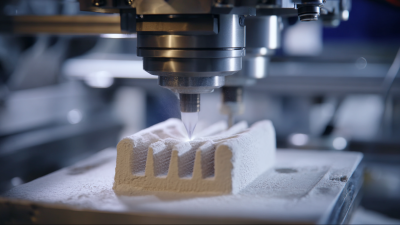
High-quality high-purity ceramic parts, particularly ceramic structural components, are increasingly gaining traction in precision industries due to their remarkable properties. These parts are fabricated through advanced techniques such as dry pressing or cold isostatic pressing, followed by high-temperature sintering and meticulous precision machining. Made from high-purity alumina powder, they are known for their superior physical characteristics, including exceptional dimensional tolerance of ±0.001 mm and a surface finish of Ra 0.1. Such precision is pivotal in sectors that demand high reliability and performance, such as aerospace, medical devices, and semiconductor manufacturing.
The unique temperature resistance of high-purity ceramic parts, operating efficiently at temperatures ranging from 400℃ to 800℃, further accentuates their applicability in high-stress environments. According to industry reports, the global ceramic parts market is projected to expand significantly, fueled by the rising demand for advanced ceramics in various applications, including electronics, automotive, and manufacturing. The adaptability of ceramic materials allows for innovative designs that can enhance the performance of components while reducing overall weight, a critical factor in modern engineering.
Moreover, the adoption of high-quality ceramic parts is bolstered by their chemical inertness and excellent wear resistance, minimizing the need for additional coatings or treatments. As industries strive for more efficient and sustainable solutions, high-purity ceramics present a compelling option. Industry analyses highlight that these materials not only contribute to improved product lifespans but also play a vital role in meeting stringent regulatory requirements in critical applications. The integration of such advanced materials into production processes exemplifies a progressive shift towards high-performance, precision-engineered solutions.

FAQS
: Technical ceramics have high hardness, chemical resistance, and thermal stability, making them ideal for various applications.
They reduce aircraft weight, improve fuel efficiency, and withstand extreme temperatures, enhancing performance and lowering emissions.
Bioceramics support bone healing as they are compatible with biological tissues, improving patient outcomes.
Choosing the right materials is vital; inappropriate choices can lead to failures and impact performance significantly.
There is a shift towards eco-friendly production, but balancing costs with sustainable practices can be challenging for manufacturers.
Quality inconsistency and long delivery times plague buyers, making trust and transparency with suppliers essential.
In tough economic times, buyers may opt for cheaper materials instead of high-quality, advanced ceramics, risking performance.
No, not every ceramic can fulfill every requirement. Inappropriate use can lead to unexpected issues, highlighting the need for reflection.
While they perform well, the brittleness of ceramics can lead to failures. Engineers must balance toughness with lightweight characteristics.
Ongoing research aims to enhance properties and applications, driving innovation despite existing challenges in manufacturing and material choices.
Conclusion
Technical ceramics play a crucial role in a variety of industries due to their exceptional properties such as strength, durability, and heat resistance. This versatility has led to significant growth in the global technical ceramics market, highlighting trends toward innovative applications, particularly in electronics, aerospace, and medicine. In electronics, technical ceramics are utilized in capacitors and insulators, enhancing performance and reliability. The aerospace sector benefits from lightweight, high-performance materials that improve efficiency and safety.
Additionally, bioceramics have found vital applications in medicine, especially for implants and prosthetics, contributing to advancements in healthcare. Emerging trends also emphasize sustainability and recycling within the technical ceramics sector, reflecting a growing commitment to environmentally friendly practices. Overall, the significance of technical ceramics is evident across multiple domains, driving innovation and contributing to sustainable industrial solutions.
Related Posts
-
Addressing Challenges in High-Precision Manufacturing with Bernoulli Ceramic Finger Technology
-

10 Best Precision Ceramic Components for High Performance Applications
-

2026 Best Advanced Ceramics Trends for Global Buyers?
-

The Science Behind Ceramic Rods: Unveiling Their Role in Modern Technology
-

Top 10 Ceramic Components Suppliers: A Comprehensive Analysis of Quality and Market Trends
-

Top 10 Tips for Choosing the Best Alumina Ceramic Manufacturers in China
