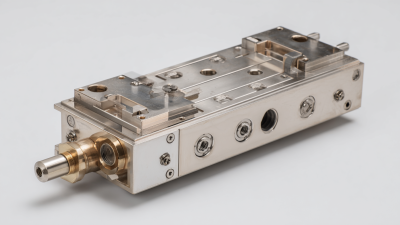
In the world of advanced manufacturing these days, people are really starting to see how important the Porous Vacuum Chuck is becoming. Experts like Dr. John Thompson over at Precision Technologies often highlight just how much of a game-changer it is. I remember he once mentioned, "The Porous Vacuum Chuck totally changes the way we hold onto workpieces—it boosts accuracy and cuts down on waste," which really shows why so many folks are excited about it.
Basically, these Chucks are designed to give a steady hold on different kinds of materials, no matter what they're made of. It’s pretty innovative stuff that’s opening up new possibilities for efficiency and better results. A lot of manufacturers have already noticed improvements like faster production times and smoother surface finishes. That said, getting everything set up with this tech isn’t always smooth sailing. Some people run into hiccups with maintenance or figuring out how well it plays with all kinds of materials.
Honestly, jumping into using Porous Vacuum Chucks might seem a bit intimidating at first. But, more often than not, the potential benefits outweigh those initial challenges. It’s really important to keep thinking about how we’re implementing them and to troubleshoot as needed. By tackling these issues head-on, we can get better results in precision engineering. As the industry keeps moving forward, it’s crucial that we adapt our strategies for adopting tech like this — otherwise, we might fall behind.
Porous vacuum chuck tips are essential in various machining and manufacturing processes. These tips help secure materials during the production phase. They allow air to pass through tiny holes, creating a vacuum that holds the material firmly in place. This unique functionality ensures stability and precision, which are crucial for high-quality results.
The design of porous vacuum chuck tips can vary greatly. Some have finer pores, while others may feature larger openings. This variation affects how well they grip different materials. Experimenting with different designs leads to better performance in specific applications. However, issues can arise if the tips become clogged. Regular maintenance is vital to keep them functioning properly.
While porous vacuum chuck tips improve efficiency, they are not without drawbacks. For instance, depending on the material's thickness, the vacuum may not hold effectively. Also, using tips that are too porous can cause an uneven grip. Testing and adjustments may be necessary to find the right balance. It’s essential to consider these factors to optimize performance and achieve desired results.
Porous vacuum chuck tips have gained popularity in manufacturing processes. They enhance performance through better workpiece handling. Studies show that implementing porous tips can improve gripping strength by up to 30%. This increased strength leads to fewer operational disruptions and less material waste.
The benefits extend beyond strength. Porous vacuum chuck tips allow for even air distribution. This results in more consistent vacuum pressure across the surface. According to a 2022 industry report, manufacturers who switched to porous materials reported a 20% increase in efficiency. They experienced faster production times and reduced cycle times.
However, the transition to porous vacuum chuck tips is not without challenges. Some users may face difficulties during initial setup. A learning curve can impact productivity. These factors highlight the importance of proper training and adjustment. A thoughtful approach can minimize these setbacks.
When comparing traditional vacuum chuck tips to porous vacuum chuck tips, key differences emerge. Traditional tips often rely on a solid surface to create a vacuum seal. This can lead to uneven holding forces, especially with irregularly shaped or porous workpieces. Research indicates that nearly 30% of manufacturing defects arise from poor clamping techniques.
Porous vacuum chuck tips, however, allow for uniform airflow and pressure distribution. This results in better grip and fewer defects. The surface area of these tips helps in accommodating varying material thicknesses. In fact, studies suggest that companies using porous tips report a reduction in cycle times by up to 25%. This statistic highlights the potential efficiency gains that manufacturers can achieve.
Nonetheless, some challenges remain. The integration of porous materials can complicate maintenance. Air leaks can occur if the porous structure is damaged. This can lead to inconsistent performance. Additionally, initial investment costs might be higher. As with any technology, weighing the benefits against the drawbacks is essential for making informed decisions.
The use of porous materials in vacuum chuck tips significantly impacts performance and efficiency. These materials allow for improved airflow, creating a better seal with the workpiece. As a result, they enhance gripping power, reducing the chances of slippage during processing. Industry reports indicate that vacuum efficiency can improve by up to 30% with porous designs compared to traditional solid tips. This change leads to higher throughput and less downtime.
In practical scenarios, porous vacuum tips can facilitate easier fixture changes. Operators often find themselves adjusting pieces mid-job. Porous materials simplify this task and reduce setup times. A 2021 study highlighted that implementing porous designs cut setup durations by 25%. This efficiency is key in high-demand sectors, such as automotive and aerospace. Moreover, porous chucks can sometimes fail in specific applications. They may struggle under extreme loads or in high-temperature environments.
Tips for optimizing the use of porous vacuum chuck tips include regular maintenance checks. Accumulation of dust or debris can lead to efficiency losses. Educating personnel about proper use and care can also prolong the life of these tips. Be mindful of the specific applications and choose the right material to match your operational needs.
Porous vacuum chuck tips are revolutionizing many industries. Their unique structures allow for efficient airflow. This leads to better gripping of parts during manufacturing processes. In the automotive sector, companies report a 25% increase in production efficiency when using these tips. The added air channels enhance suction and prevent slipping.
In electronics manufacturing, porous vacuum chucks are critical for handling delicate components. They reduce the risk of damage during assembly. A study showed that using these tips led to a 30% decrease in defects. It's an impressive statistic but emphasizes the need for continual improvement in vacuum technology. The balance between suction power and delicacy requires constant evaluation.
Although porous vacuum chuck tips are effective, challenges remain. Some users report inconsistencies in performance based on material variations. This unpredictability can hinder production timelines. The industry must explore better materials and designs to address these issues. Continuous innovation in porous technology can lead to significant benefits across diverse fields.
Proper maintenance of porous vacuum chuck tips is crucial for optimal performance. Regular cleaning helps remove debris and contaminants. Use a soft brush or a lint-free cloth to gently wipe the surface. Avoid harsh chemicals that may damage the material.
Conduct routine inspections to check for wear and tear. Cracks or deformities can affect suction efficiency. If a tip is damaged, it may need replacement sooner than expected. Monitoring their condition ensures long-term functionality.
Remember to store tips in a clean, dry area. This prevents dust accumulation that could hamper performance. Consider a dedicated container to keep them organized. Taking these simple steps can enhance both performance and lifespan.
| Feature | Description | Maintenance Tips | Efficiency Benefit |
|---|---|---|---|
| Porosity Level | The degree of air permeability in the chuck tip material. | Regularly inspect for clogging and clean with suitable solvents. | Improved workpiece hold, leading to better machining accuracy. |
| Material Type | Materials like silicone or polyurethane that offer durability. | Avoid exposure to extreme temperatures to maintain integrity. | Longevity of chuck tips reduces replacement costs. |
| Cleaning Frequency | Recommended every 1-2 weeks based on usage conditions. | Use a soft brush and mild detergent for cleaning. | Maintains optimal vacuum levels for performance. |
| Vacuum Level | Optimal vacuum strength necessary for stable operation. | Periodically check and calibrate vacuum pressure settings. | Enhanced gripping reduces chances of workpiece movement. |
| Compatibility | Must match with equipment and workpiece materials. | Consult manufacturer guidelines for best matches. | Maximized efficiency through tailored applications. |
The future of porous vacuum chuck technology is exciting. Innovations are on the horizon that promise to improve performance and efficiency in various applications. Enhanced material compositions will likely result in greater suction capabilities. This could lead to better handling of delicate components. For manufacturers, this means achieving higher precision with reduced risk of damage.
Moreover, the design of these chucks is evolving. Engineers are experimenting with different shapes and configurations. This allows for improved airflow and more efficient suction patterns. However, not all experiments yield immediate success. Some prototypes face challenges, like uneven suction. These issues prompt further investigation and adjustment, reflecting the ongoing nature of innovation.
Sustainability is also becoming a focal point. New materials are being explored that are both effective and environmentally friendly. This shift is crucial, as industries face increasing pressure to consider their environmental footprint. Yet, balancing performance with sustainability can be tricky. Companies need to reflect on their priorities as they push for innovative solutions. The road ahead may be complex, but the potential rewards are significant.
The optimization of performance in semiconductor manufacturing is heavily reliant on the utilization of customized processing techniques, particularly for Al2O3 ceramic wafer chucks. These ceramic components are engineered to meet stringent requirements, ensuring reliability and precision in various production environments. The process begins with high-purity alumina powder, which is formed through cold isostatic pressing and then sintered at elevated temperatures. This meticulous process not only enhances the structural integrity of the ceramic but also allows for exceptional dimensional accuracy, achieving tolerances as tight as ±0.001 mm.
One of the most critical features of these ceramic parts is their remarkable resilience in challenging conditions. Capable of withstanding high temperatures of up to 1600℃, they are ideally suited for use in semiconductor equipment that operates under extreme scenarios, such as high vacuum or in the presence of corrosive gases. Additionally, the superior wear and corrosion resistance, coupled with minimal thermal expansion, make these ceramics an excellent choice for long-term performance in diverse applications, minimizing the risk of equipment failure and ensuring consistent productivity. The precision finishing, resulting in a surface roughness of Ra 0.1, further enhances their functionality, making them indispensable in the ever-evolving landscape of semiconductor manufacturing.
: The information aims to educate readers about a certain topic.
Anyone interested in learning more about this topic can benefit.
Basic knowledge of the subject may help. However, it's not mandatory.
While informative, it may not offer detailed step-by-step instructions.
Yes, the content is accessible for beginners, but some concepts might be challenging.
The text includes various examples to illustrate key points.
Regular review may aid retention, but it's up to individual learning styles.
Some misconceptions are briefly mentioned, yet others may be overlooked.
Yes, but practical application may vary based on specific circumstances.
Certain areas could benefit from further clarification or expansion.
The article "Porous Vacuum Chuck Tips for Enhanced Performance and Efficiency" explores the innovative design and functionalities of porous vacuum chuck tips, highlighting their significant advantages over traditional vacuum chuck systems. These tips enhance manufacturing processes by providing superior hold, reducing vacuum consumption, and improving overall efficiency. The comparative analysis demonstrates that porous vacuum chucks outperform conventional options in both performance and versatility, making them ideal for a variety of industrial applications.
Furthermore, the impact of porous materials on vacuum performance is examined, showing their ability to optimize airflow and maintain consistent pressure. The article also emphasizes the importance of proper maintenance for these tips to ensure longevity and effectiveness. Looking ahead, it discusses potential future innovations in porous vacuum chuck technology that could revolutionize manufacturing standards, positioning these tools as essential for modern production environments.