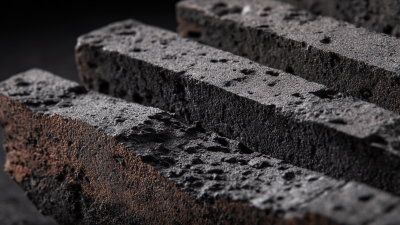
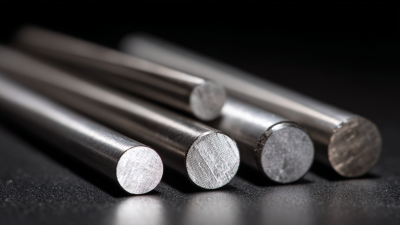
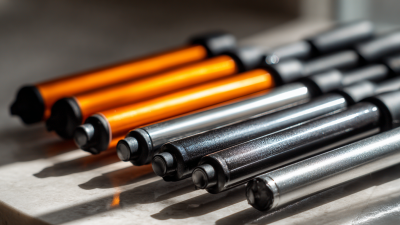
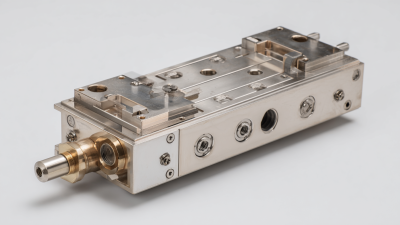
When it comes to selecting the appropriate Silicon Carbide Seal Rings for your specific application, it is essential to understand the unique properties and advantages these precision components offer. At ST.CERA CO., LTD., a leading private high-tech enterprise specializing in precision ceramic manufacturing, we leverage our extensive expertise and advanced research capabilities to deliver high-quality solutions tailored to our clients' needs.
 Silicon Carbide, renowned for its exceptional hardness, thermal stability, and resistance to wear and corrosion, makes it an ideal choice for applications requiring reliable sealing solutions. This blog will guide you through the factors you need to consider when choosing Silicon Carbide Seal Rings, ensuring you make informed decisions that enhance the performance and longevity of your machinery. Join us as we explore the critical elements of selecting the right seal rings to meet the demands of your operations.
Factors to Consider When Selecting Silicon Carbide Seal Rings
When selecting silicon carbide seal rings for your application, it is crucial to consider several factors to ensure optimal performance and longevity. First and foremost, you should assess the operating environment in which the seal rings will be used. This includes temperature variations, pressure levels, and the presence of corrosive substances. Silicon carbide is renowned for its excellent thermal stability and chemical resistance, making it suitable for high-performance applications. However, understanding the specific conditions your seal rings will face can help you choose the right specifications.

Another vital consideration is the size and design of the seal rings. They must match the dimensions and fit of your equipment to prevent leaks efficiently. Additionally, the manufacturing quality plays a significant role, as higher-quality seal rings provide better reliability and reduced wear over time. With the silicon carbide seal ring market projected to grow from $145.61 million in 2025 to approximately $298.7 million by 2033, the demand for tailored solutions is likely to increase. By keeping these factors in mind, you can make an informed choice that meets the unique needs of your application while taking advantage of the anticipated market growth in this area.
Understanding the Different Types of Silicon Carbide Materials
Silicon carbide (SiC) materials have become increasingly popular in various industrial applications due to their superior mechanical properties and excellent thermal stability. When selecting silicon carbide seal rings, it’s crucial to understand the different types of SiC materials available. For instance, reaction-bonded silicon carbide (RBSC) is known for its excellent wear resistance and is often used in applications where abrasive materials are handled. According to a market report by Grand View Research, the demand for silicon carbide in the seal industry is projected to grow at a compound annual growth rate (CAGR) of over 15% from 2021 to 2028, reflecting its expanding role in applications such as pump seals and mechanical seals.
Another prominent type is sintered silicon carbide, which exhibits higher density and strength, making it suitable for high-pressure environments. A study by the International Journal of Engineering Research and Technology highlights that sintered SiC rings can withstand temperatures exceeding 1400°C, making them ideal for applications in the aerospace and automotive sectors. Furthermore, silicon carbide’s low thermal expansion and excellent chemical resistance enhance its performance in harsh environments such as oil and gas extraction. Understanding these material properties is essential for selecting the right seal rings that meet the specific needs of your application.
Key Performance Characteristics of Silicon Carbide Seal Rings
When selecting silicon carbide seal rings for your application, understanding their key performance characteristics is essential. Silicon carbide (SiC) is renowned for its high hardness and excellent wear resistance. According to a report by the Global Silicon Carbide Market, seal rings made from SiC can operate effectively in temperatures exceeding 1400°C, making them ideal for high-temperature applications in industries such as aerospace and chemical processing. The thermal conductivity and low thermal expansion of SiC also contribute to its performance under extreme conditions, reducing the risk of thermal shock.
Another important characteristic to consider is the chemical resistance of silicon carbide. SiC seal rings demonstrate outstanding resistance to a wide range of corrosive substances, including acids and alkalies, which is pivotal in processes that involve aggressive fluids. Industry studies indicate that SiC seals can last up to five times longer than traditional materials in harsh environments. Additionally, the low friction properties of silicon carbide lead to lower energy consumption during operation, making it a cost-effective choice over the lifespan of the equipment.
This combination of durability, thermal stability, and chemical resilience makes SiC seal rings a preferable option in many industrial applications.
Application-Specific Requirements for Silicon Carbide Seals
When selecting silicon carbide seal rings for specific applications, it is crucial to consider the unique requirements of each situation. The primary factors include temperature resistance, chemical compatibility, and mechanical load. Silicon carbide is renowned for its exceptional hardness and thermal stability, making it suitable for high-temperature applications. However, understanding the operating environment helps in determining the optimal grade of silicon carbide that will withstand corrosive substances or extreme pressures.

Another critical aspect is the size and design of the seal rings, which should align with the dimensions of the machinery they are intended for. Proper fit ensures optimal sealing performance and longevity. Additionally, specific applications may require customized solutions, such as variations in design that enhance self-lubrication or improved resistance to abrasive wear. By assessing these application-specific requirements, engineers and designers can effectively choose the right silicon carbide seal rings that maximize efficiency and reliability in their systems.
Cost-Effectiveness in Choosing Silicon Carbide Seal Solutions
In recent years, the automotive industry has witnessed a significant shift towards the adoption of silicon carbide (SiC) and gallium nitride (GaN) technologies. This transition is largely driven by the need for enhanced efficiency and performance in electric vehicles and other automotive applications. These materials enable faster charging times, reduced energy loss, and increased overall reliability, which are critical factors in today's competitive market.
When choosing silicon carbide seal rings, cost-effectiveness plays a crucial role. While the initial investment may be higher compared to traditional materials, the long-term savings provided by SiC solutions—such as reduced maintenance costs and prolonged lifespans—can significantly outweigh upfront expenses. By carefully evaluating the specific requirements of their applications, manufacturers can effectively leverage these advancements to optimize performance and sustainability, consequently ensuring their investment pays off over time. As the trend for power-efficient technologies continues to gain momentum, industries are encouraged to explore the potential of SiC and GaN to future-proof their operations.
Cost-Effectiveness of Silicon Carbide Seal Rings for Different Applications
This bar chart illustrates the cost-effectiveness rating of silicon carbide seal rings across various applications. The rating is on a scale of 1 to 10, where higher values indicate better cost-effectiveness for specific industrial sectors.
Maintenance and Durability Insights for Silicon Carbide Seal Rings
When selecting silicon carbide (SiC) seal rings for various applications, understanding their maintenance and durability is crucial. SiC materials are recognized for their exceptional hardness and resistance to abrasion, making them ideal for use in high-pressure environments. Research indicates that SiC seal rings can endure harsh conditions, often outlasting traditional materials by up to 30%. This durability is particularly beneficial in industries like oil and gas, where machinery undergoes significant wear due to operational stresses.
Moreover, the market for silicon carbide continues to evolve, with ongoing advancements in material science such as Samsung's exploration of boron carbide as a potential alternative. This highlights the importance of choosing the right seal rings that not only perform well under operational strain but also offer longevity and minimal maintenance. Data from industry reports suggest that maintaining SiC seals with proper lubrication and regular inspections can further enhance their lifespan, ensuring optimal performance in critical applications. Therefore, selecting SiC seal rings with a focus on these maintenance factors can lead to significant cost savings and increased reliability in high-demand environments.
How to Choose the Right Silicon Carbide Seal Rings for Your Application - Maintenance and Durability Insights for Silicon Carbide Seal Rings
| Application |
Temperature Range (°C) |
Pressure Range (MPa) |
Lubrication |
Durability Rating |
| Chemical Processing |
-40 to 150 |
0 to 5 |
Dry |
High |
| Oil & Gas |
-20 to 180 |
0 to 10 |
Wet |
Medium |
| Pharmaceutical |
-30 to 120 |
0 to 3 |
Dry |
Very High |
| Food & Beverage |
0 to 100 |
0 to 4 |
Wet |
High |
| Aerospace |
-50 to 200 |
0 to 7 |
Dry |
Very High |
FAQS
: Silicon carbide materials are known for their superior mechanical properties, excellent thermal stability, high hardness, and outstanding wear resistance, making them suitable for a variety of industrial applications.
RBSC is primarily known for its excellent wear resistance and is often utilized in applications that handle abrasive materials.
Sintered silicon carbide has higher density and strength, allowing it to withstand extreme temperatures (over 1400°C) and making it suitable for high-pressure environments, such as aerospace and automotive applications.
Key characteristics include high hardness, excellent wear resistance, thermal conductivity, low thermal expansion, and outstanding chemical resistance to corrosive substances.
SiC seal rings can last up to five times longer than traditional materials in harsh environments, reducing maintenance and replacement costs.
While the initial investment in SiC solutions may be greater, the long-term savings from reduced maintenance costs and prolonged lifespans can outweigh the upfront expenses, making them cost-effective over time.
This shift is driven by the need for enhanced efficiency, performance, and reduced energy loss in electric vehicles, alongside faster charging times and increased reliability.
The thermal conductivity of SiC reduces the risk of thermal shock under extreme conditions, contributing to the overall durability and performance of seal rings in high-temperature applications.
SiC materials excel in harsh environments such as oil and gas extraction, where chemical resistance and high-temperature performance are critical.
The ongoing trend toward power-efficient technologies and sustainability is encouraging more industries to explore the potential of silicon carbide and gallium nitride materials to future-proof their operations.
Conclusion
When selecting Silicon Carbide Seal Rings for various applications, several critical factors must be considered to ensure the best performance and longevity. Understanding the different types of Silicon Carbide materials is essential, as their specific characteristics can significantly impact durability and effectiveness under operational conditions. Additionally, evaluating key performance metrics such as thermal conductivity, hardness, and chemical resistance is crucial when making your choice.
Application-specific requirements must also guide the selection process, as each industry may have unique demands that Silicon Carbide Seal Rings can address effectively. Moreover, considering cost-effectiveness against the backdrop of maintenance and durability insights can lead to more informed decisions. At St.Cera Co., Ltd., we leverage our expertise in precision ceramic manufacturing to deliver high-quality Silicon Carbide Seal Rings tailored to meet diverse industrial needs, providing both reliability and value in demanding environments.