0%

Picking the right ceramic end effectors really matters when it comes to robotics. Honestly, the performance and dependability of these parts can make or break your productivity. I remember reading in a 2022 report by the Robotics Industry Association that choosing the right end effectors could boost efficiency by up to 30%. That’s a pretty significant jump! Dr. Emily Thompson from Advanced Robotics Inc. put it nicely when she said, "The type of ceramic material you go with can really impact how durable and precise your robot is." Skimping on quality, though, can lead to a lot of frustrating downtime and expensive repairs—you definitely don’t want that. It's super important to understand what your specific application needs. Lots of manufacturers tend to overlook key factors like weight, thermal stability, and how well these effectors play with different robot models. When you ignore these, it often leads to avoidable inefficiencies. Making the right choice isn’t always straightforward—it takes some careful thought, and honestly, a bit of trial and error. Sure, ceramic end effectors can be tricky to nail down, but they also open up some great opportunities for making robotics work even better.

How to Choose the Best Ceramic End Effectors for Robotics?

Understanding Ceramic End Effectors in Robotics

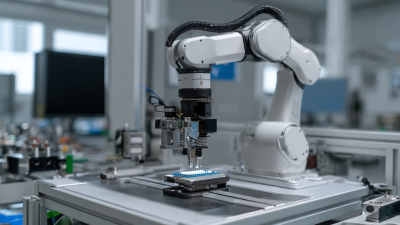
Ceramic end effectors play a crucial role in robotics, particularly in precision tasks. They are designed to handle delicate items such as electronics or fragile materials. Their lightweight nature helps reduce the overall weight of robotic arms. However, their brittleness poses a challenge in high-impact environments. Choosing the right one requires careful consideration of the operational context.

Understanding the properties of ceramics is essential. These materials offer excellent thermal and chemical resistance. However, they can fracture easily under stress. Users must evaluate the workload and potential risks. Some applications may benefit from softer materials instead. This decision requires a balance between durability and performance.

The cost of ceramic end effectors can vary widely. While they may seem expensive upfront, their longevity often offsets the initial investment. It's important to reflect on the specific needs of your robotic system. A mismatch in end effector choice can lead to unexpected downtime. A thorough assessment can guide effective decision-making in this area.

The Importance of Material Selection for End Effectors

The selection of materials for ceramic end effectors significantly impacts their performance in robotics. Ceramic materials are known for their hardness and wear resistance. According to a recent industry report, over 70% of robotic applications benefit from high-strength materials. This is crucial in tasks where precision and durability are essential.

Consider the different environmental conditions where robots operate. For example, robots in manufacturing face wear from friction and heat. A study indicated that end effectors made from advanced ceramics could extend service life by 25%. However, the choice of material isn't always straightforward. Engineers must balance strength with weight and cost. There are challenges in processing and machining ceramics. These factors can lead to imperfections in the final product.

Moreover, the compatibility of ceramics with other materials needs careful evaluation. In mixed-material systems, bonds might weaken over time, leading to failures. Reports indicate that around 15% of robot malfunctions arise from improper material integration. Continuous testing and feedback loops are essential to improve reliability and function. The selection process must be revisited regularly to keep pace with advancements in material science.

Evaluating Performance Characteristics of Ceramic End Effectors

When choosing ceramic end effectors for robotics, performance characteristics are crucial. These components interact directly with materials, making their functionality vital. Key features to evaluate include weight, strength, and thermal resistance. A lightweight design enhances speed without sacrificing strength. However, achieving the right balance can be challenging.

Consider the conditions your robotics will face. High temperatures can weaken some ceramics, while others might not withstand heavy loads. Testing under realistic conditions is necessary. Fragility should also be taken into account. Even a small defect can lead to failure during operation. Observing how these end effectors handle repeated stress is essential.

Pay attention to ease of integration. Some designs work seamlessly with existing systems, while others may require modifications. This can affect overall project timelines. Remember that no ceramic end effector is perfect. Each design has strengths and weaknesses. Evaluating their performance in real-world applications will guide your choice effectively.

Assessing Compatibility with Robotic Systems

Choosing the right ceramic end effectors for robotic applications requires careful consideration of compatibility with existing systems. Many robotic systems have specific design requirements, and selecting the wrong end effector can lead to inefficiencies. According to industry reports, 30% of robotic failures stem from incompatible components. Proper assessments of size, weight, and functionality are essential.

Tip: Always consult system specifications. Measure the payload capacity and dimensions of your robotic arm. The end effector should match these parameters precisely. Also, evaluate the operational environment. High temperatures or abrasive materials can affect performance.

Pay attention to the materials used in ceramic end effectors. Different ceramics have varying degrees of durability. For example, alumina ceramics offer high wear resistance but can be brittle. Remember, ceramics are not always suitable for every mission. Sometimes, metal counterparts might provide better resilience. This is where reflection is necessary—evaluate if the added benefits of ceramics outweigh their limitations.

Tip: Consider conducting a pilot test before full deployment. This can highlight potential compatibility issues in practice, saving time and resources later.

Analyzing Cost vs. Performance Trade-offs

How to Choose the Best Ceramic End Effectors for Robotics?

Choosing ceramic end effectors for robotics is a complex task. The trade-offs between cost and performance require careful consideration. Ceramic materials often offer lightweight and durable options. However, their initial price can be higher than alternatives. This leads to the fundamental question: is the investment worth it?

Performance is key for any robotic system. Ceramic end effectors excel in precision and strength. Yet, if cost is too high, budgets may be strained. Some projects might succeed with less expensive materials. Testing and piloting prototypes can help clarify these trade-offs. Discovering the right balance can lead to more informed decisions.

A common oversight is focusing solely on performance while neglecting the budget. It's essential to analyze operational needs closely. Sometimes, a mid-range option offers the best overall value. Reflecting on long-term goals can illuminate the right path. Finding an optimal mix can ultimately enhance operational efficiency, but it demands careful thought and assessment.

Exploring Maintenance and Durability Factors

When selecting ceramic end effectors for robotics, maintenance is crucial. Regular checks can prevent unexpected failures. Inspect for chips or cracks. Even small imperfections can affect performance. Dust and debris build-up may hinder movement. Ensuring a clean workspace helps maintain efficiency.

Durability is another key factor. Ceramic materials can withstand high temperatures and corrosive environments. However, they can be brittle. The wrong handling may lead to breakage. It’s vital to train operators properly. Over time, wear and tear become evident. Frequent use may reveal the limits of your materials. Ensure your design accommodates these potential vulnerabilities and allows for easy replacements.

Consider the specific applications of your end effectors. Some tasks require more robust solutions, while others may not need extreme durability. Evaluate your needs carefully. Balancing performance with maintenance needs can be challenging. Adapting your approach based on real-world usage scenarios is essential.

Durability Comparison of Ceramic End Effectors in Robotics

Future Trends in Ceramic End Effectors for Robotics

Ceramic end effectors are gaining attention in robotics. They offer unique advantages, such as lightweight structures and thermal resistance. However, we must consider their limitations too. Fragility can lead to breakage in harsh environments. Choosing the right material balance is critical for application success.

Future trends indicate a rise in smart ceramics. These materials can adapt to different tasks. Researchers are exploring self-healing properties as well. Imagine a robot that can repair its own end effector. Exciting yet challenging, as the technology needs refinement.

As robots evolve, the demand for versatile end effectors will grow. Customization will become essential. Exploring new combinations of ceramics may enhance performance. There’s potential here, but the path remains unclear. Close collaboration between engineers and material scientists is vital for advancement.

How to Choose the Best Ceramic End Effectors for Robotics? - Future Trends in Ceramic End Effectors for Robotics

Feature Importance Rating (1-5) Current Materials Used Future Trends
Durability 5 Alumina, Zirconia Advanced composites, Nano-structured ceramics
Weight 4 Standard ceramic Lightweight materials, Hybrid composites
Cost 3 Economical ceramics Economies of scale in production
Grip Strength 5 Conventional ceramics Smart materials, Bio-inspired designs
Temperature Resistance 4 Refractory ceramics Enhanced thermal stability coatings

FAQS

: What are the common uses for this product?

: This product can be used for various purposes, such as home maintenance and small repairs. Many people also use it for crafting.

Is it suitable for indoor use?

Yes, it is safe for indoor use. Make sure there is good ventilation while using it. Avoid using it in closed spaces.

How long does it take to dry?

The drying time varies, but it usually takes about 1 to 3 hours. Factors like temperature and humidity can influence it.

Can it be removed easily?

It can be removed, but the process may require some effort. Not everyone finds it easy. You might need a solvent.

Are there any safety precautions to take?

Always wear gloves and a mask. Keep it away from children. Some users might experience irritation, so be cautious.

What should I do if it doesn’t work as expected?

If it doesn’t work, consider checking the application method. Mistakes may happen. Reflect on the instructions before trying again.

Is it environmentally friendly?

The product's ingredients vary. Some may have less impact on the environment. Researching those details can help with informed choices.

Can this product be stored for long periods?

Yes, it can be stored. Make sure the cap is tightly sealed. Sometimes it might degrade if not stored properly, though.

What if I am allergic to some ingredients?

Check the label carefully. If you have known allergies, consult with a professional. Some users have faced allergic reactions.

Is it effective on various surfaces?

It works on many surfaces, but not all. Testing a small area is wise. Feedback varies, and what works for some may not for others.

Conclusion

Ceramic End Effectors are becoming increasingly significant in the field of robotics due to their unique properties such as high hardness and heat resistance. Understanding these end effectors involves evaluating the selection of materials, which plays a crucial role in their overall performance. When assessing ceramic end effectors, it is essential to analyze their compatibility with existing robotic systems and the various performance characteristics that contribute to their effectiveness in specific applications.

Moreover, cost versus performance trade-offs must be considered to ensure optimal investment in robotic technologies. Maintenance and durability factors are critical for long-term operational success and efficiency. As technology evolves, future trends in ceramic end effectors are expected to focus on enhancing material properties and integrating smart functionalities, ensuring that these components will play a pivotal role in the advancement of robotics.

Benjamin

Benjamin

Benjamin is a dedicated marketing professional at St.Cera Co., Ltd., a renowned private high-tech enterprise specializing in precision ceramic manufacturing. With a deep understanding of the intricacies of ceramic technology, he plays a pivotal role in showcasing the company's innovative products......
Previous Maximizing ROI: How Our After-Sales Support on Best Shadow Ring Inserts Minimizes Repair Costs