0%

In today’s fast-changing industrial world, Ceramic Spacers have really become key players across a bunch of different sectors. I came across Dr. Emily Carter from Advanced Ceramics Solutions, and she quite succinctly mentioned that “Ceramic Spacers boost both durability and precision, really pushing the boundaries of what’s expected.” What’s pretty cool about these spacers is their ability to handle high temperatures and their strength—traits that make them pretty much essential for lots of applications.

You’ll find Ceramic Spacers in aerospace, automotive, and electronics industries. They’re used to keep things spaced out just right and to support structures in some pretty tough conditions. For example, in aerospace, these spacers can handle extreme heat and pressure without breaking a sweat. When these spacers are implemented well, it can really give a boost to performance in these demanding environments.

That said, it’s not all smooth sailing. Maintaining quality control and producing consistent, reliable spacers isn’t always straightforward. Many companies struggle to find high-quality materials, which can be a real pain. As these industries keep growing and demanding more, the need for top-notch Ceramic Spacers is only going up. This definitely calls for ongoing research and development, especially to get around current limitations with the material properties.

What is a Ceramic Spacer and Its Applications in Industry?

Definition and Composition of Ceramic Spacers

Ceramic spacers are essential components in various industrial applications. These spacers are made primarily from ceramic materials, known for their durability and thermal stability. Common materials include alumina, zirconia, and silicon nitride. The unique properties of ceramics make them ideal for high-stress environments. These spacers maintain structural integrity under extreme conditions.

In manufacturing, the precise composition of ceramic spacers is crucial. The mixture often includes additives that enhance properties like strength and thermal resistance. This ensures longevity and efficiency in performance. However, achieving the right balance in composition can be challenging. Manufacturers must continuously test and refine their mixtures.

Tips: Focus on the desired properties when selecting materials. Testing compositions in different environments helps in understanding their performance limits. Small adjustments can lead to significant improvements.

Ceramic spacers are used in sectors such as aerospace, automotive, and electronics. Each application may require different specifications. Some industries demand spacers that can withstand high temperatures, while others prioritize lightweight materials. Understanding the specific requirements is essential for optimal performance.

Types of Ceramic Materials Used in Spacers

Ceramic spacers are integral in various industries due to their lightweight and high-strength properties. The types of ceramic materials used in spacers vary widely. Common materials include alumina, zirconia, and silicon carbide. Each of these materials offers unique advantages. Alumina is cost-effective and versatile, suitable for a wide range of applications. Zirconia boasts high toughness, making it ideal for demanding environments. Silicon carbide is known for exceptional thermal stability.

When selecting ceramic materials, consider the specific application needs. For high-temperature settings, opt for silicon carbide. For most general uses, alumina may suffice. It’s crucial to evaluate thermal conductivity and mechanical strength. Sometimes, a material may seem perfect but fails in real-world applications. Testing under actual conditions is essential for reliability.

Tips for using ceramic spacers include ensuring proper fit during installation. Misalignment can lead to premature failure. Regular inspections help in identifying early signs of wear or degradation. In some cases, the environment may impose limits on material performance. A thorough understanding of the operational conditions is key to longevity. Always keep open communication with suppliers for updated material specifications.

Manufacturing Processes for Ceramic Spacers

What is a Ceramic Spacer and Its Applications in Industry?

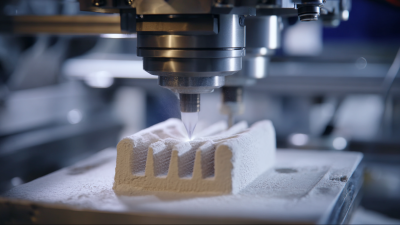
The manufacturing of ceramic spacers involves various advanced processes that ensure precision and quality. Common methods include isostatic pressing, CNC machining, and slip casting. Isostatic pressing uses high pressure to shape ceramic powders, enhancing density and strength. This technique is widely adopted due to its cost-effectiveness and ability to create complex geometries.

According to a recent industry report from MarketsandMarkets, the global ceramic spacers market is expected to grow at a CAGR of 6.2% from 2021 to 2026. This growth reflects an increasing demand for high-performance components across various sectors, including aerospace, medical devices, and electronics. CNC machining, for instance, allows manufacturers to achieve tight tolerances critical in applications such as aerospace, where precision is vital.

However, challenges exist in the ceramic spacer manufacturing process. Variability in raw materials can lead to inconsistencies in final product performance. Moreover, the brittle nature of ceramics can complicate machining processes. Companies must focus on improving quality control to mitigate these issues while scaling production to meet market demands. Ensuring robust processes will be key for innovation in this field.

Key Properties of Ceramic Spacers

Ceramic spacers are engineered components made from ceramic materials. They possess unique properties that make them suitable for various industrial applications. Key properties include high strength, low thermal conductivity, and excellent wear resistance. These features enable ceramic spacers to withstand harsh environments found in manufacturing and energy sectors.

The high strength of ceramic spacers allows them to endure significant mechanical stress without deformation. This characteristic is crucial in applications like aerospace, where reliable performance is non-negotiable. Additionally, low thermal conductivity makes ceramic spacers ideal for use in high-temperature environments, where heat dissipation is a concern. These spacers help maintain operational efficiency by minimizing heat transfer in critical systems.

Ceramic spacers also show remarkable resistance to chemical corrosion. This property is vital in the chemical processing industry, where exposure to aggressive substances is common. However, the brittleness of ceramics means care must be taken during installation and use. Any mishandling can lead to fractures, requiring a reconsideration of installation techniques. By understanding these aspects, industries can effectively leverage ceramic spacers in various applications, enhancing their operations.

What is a Ceramic Spacer and Its Applications in Industry? - Key Properties of Ceramic Spacers

Property Description Applications
High Temperature Resistance Ceramic spacers can withstand a wide range of temperatures, making them ideal for high-temperature applications. Used in turbines, kilns, and heat exchangers.
Corrosion Resistance Resistant to chemical corrosion, offering longevity in harsh environments. Ideal for chemical processing and oil & gas industries.
Electrical Insulation Excellent electrical insulating properties suitable for various electronic applications. Used in capacitors, insulators, and circuit boards.
Low Thermal Conductivity Helps in minimizing heat loss in applications. Used in thermal barriers and insulating layers.
Mechanical Strength High compressive strength providing structural integrity in various applications. Used in construction materials and precision machinery.

Applications of Ceramic Spacers in Electronics

Ceramic spacers play a crucial role in the electronics industry. These components, typically made from a variety of ceramic materials, offer excellent thermal and electrical insulation. Their ability to withstand high temperatures makes them ideal for applications in power electronics. With the rise of electric vehicles, the demand for reliable dielectric components has skyrocketed.

In circuit boards, ceramic spacers provide necessary separation between conductive elements. They help to maintain signal integrity and prevent short circuits. Additionally, ceramic spacers are often used in capacitors, enhancing performance by allowing better energy storage. Sourcing these materials requires precision and expertise, ensuring that they meet the required specifications.

However, some challenges exist in using ceramic spacers. Their brittleness can lead to breakage during handling or installation. Moreover, the manufacturing process can be complex and costly. Designers must weigh these factors against the benefits they provide. Improving production methods and developing stronger materials is an ongoing discussion in the industry. Balancing durability and performance remains an area for growth in ceramic spacer technology.

Applications of Ceramic Spacers in Electronics

Use of Ceramic Spacers in Aerospace and Automotive Industries

Ceramic spacers are gaining traction in the aerospace and automotive industries. These components are crucial for maintaining proper spacing between parts in engines and structural assemblies. Their lightweight nature and high-temperature resistance make them ideal for demanding environments. They can withstand extreme conditions, providing durability and stability.

In the aerospace sector, ceramic spacers help reduce weight without sacrificing strength. They ensure optimal fuel efficiency and performance. However, they can be somewhat brittle. This fragility requires careful handling and installation. The challenge lies in balancing performance with the potential risk of failure during high-stress situations.

The automotive industry also benefits from ceramic spacers in various applications, like brake systems and electronic components. Their insulating properties are pivotal in preventing overheating. But manufacturers must consider the cost factors involved. The investment in innovation can be significant. Yet, the long-term gains in reliability often justify these costs. Understanding these aspects can lead to better designs and enhanced product life cycles.

Advantages of Ceramic Spacers over Traditional Materials

Ceramic spacers are gaining attention in various industries due to their distinct advantages. Unlike traditional materials, ceramic spacers display remarkable resistance to heat and corrosion. This makes them ideal for environments where extreme temperatures or chemical exposure are common. Their durability ensures that they maintain structural integrity over time, which can reduce maintenance costs significantly.

Another key advantage is their lightweight nature. While traditional metal spacers can be heavy, ceramic spacers offer a significant reduction in weight. This can improve energy efficiency and simplify installation in various applications. Additionally, ceramics can provide better electrical insulation, making them valuable in electronic applications. However, they can be brittle, which raises concerns during handling.

Despite their benefits, there are challenges to consider. The brittleness of ceramic materials can lead to fracture under certain conditions. Careful analysis and testing are essential to avoid unexpected failures. This underscores the importance of expert knowledge in selecting the right material for specific applications. Many sectors are still adapting to these innovative solutions, so ongoing research and development are crucial.

Enhancing Industrial Efficiency with High Pressure and Wear-Resistant Alumina Ceramic Tubes: Insights from Recent Market Analysis

High pressure and wear-resistant alumina ceramic tubes have become pivotal in enhancing industrial efficiency across various sectors. These advanced ceramic components are crafted from high-purity ceramic powder, utilizing processes such as dry pressing and cold isostatic pressing followed by high-temperature sintering and precision machining. This meticulous production process results in exceptional qualities, including high hardness, toughness, and low friction coefficients. According to recent market analyses, the demand for these materials is projected to grow significantly, particularly in fields such as medical equipment manufacturing, precision machinery, and metrology.

The inherent properties of alumina ceramics, such as their superb abrasion and corrosion resistance, allow them to perform reliably in challenging environments, including prolonged exposure to acidic and alkaline conditions. With a maximum temperature threshold reaching up to 1600°C, these tubes are indispensable in applications demanding high durability and efficiency. Industry insights indicate that sectors like laser technology and inspection equipment are increasingly integrating these ceramic tubes into their designs, reflecting a broader trend toward materials that not only meet but exceed conventional engineering requirements.

This evolution in material science not only promises improved operational capabilities but also presents cost-effective solutions for manufacturers looking to optimize processes and minimize downtime. As industries continue to seek innovations that contribute to higher productivity and enhanced product quality, the role of wear-resistant alumina ceramic tubes is only set to expand, highlighting the ongoing commitment to excellence in industrial applications.

FAQS

: What are ceramic spacers made of?

: Ceramic spacers are primarily made from materials like alumina, zirconia, and silicon nitride.

Why are ceramic spacers important?

They provide durability and thermal stability in industrial applications. Their strength is crucial in high-stress environments.

What properties do ceramic spacers possess?

Key properties include high strength, low thermal conductivity, and excellent wear resistance, making them ideal for harsh conditions.

How do manufacturers ensure the quality of ceramic spacers?

They test and refine the composition regularly to achieve the right balance of strength and thermal resistance.

In which industries are ceramic spacers commonly used?

They are often found in aerospace, automotive, and electronics sectors, each with specific requirements.

What challenges do ceramic spacers present during installation?

Their brittleness means they can fracture easily if mishandled. Careful installation practices are essential.

How do ceramic spacers perform in high-temperature environments?

They minimize heat transfer, helping maintain efficiency in critical systems under extreme temperatures.

Can small adjustments in composition affect performance?

Yes, even minor changes can lead to significant improvements in the performance of ceramic spacers.

What should industries consider when selecting ceramic spacers?

They need to focus on specific application requirements, such as temperature resistance or weight considerations.

Why is testing ceramic spacers in different environments important?

This helps understand their performance limits and ensures they meet the needs of various applications.

Conclusion

A Ceramic Spacer is a critical component widely utilized across various industries due to its unique properties and advantages. Defined as a structural element made from ceramic materials, these spacers exhibit excellent mechanical strength, thermal stability, and resistance to corrosion, making them ideal for demanding applications. The manufacturing processes for ceramic spacers typically involve advanced techniques that ensure precision and durability, while the composition of these spacers often includes a variety of ceramic types, such as alumina and zirconia, each chosen for specific performance characteristics.

In industrial applications, Ceramic Spacers play an essential role in electronics, aerospace, and automotive sectors. In electronics, they provide insulation and structural support, while in aerospace and automotive industries, they contribute to weight reduction and enhanced performance. The advantages of Ceramic Spacers over traditional materials include their lightweight nature, reduced thermal expansion, and improved longevity, making them an increasingly popular choice for engineers and manufacturers looking for reliable and efficient solutions.

Olivia

Olivia

Olivia is a dedicated marketing professional at St.Cera Co., Ltd., a premier high-tech enterprise renowned for its expertise in precision ceramic manufacturing. With an in-depth understanding of the industry and a passion for innovation, she plays a pivotal role in showcasing the company's advanced......
Previous Best Ceramic Arm Options for 2026 Top Buyers Seeking Quality?