0%

You know, ceramic rods have really been catching people's eyes across a bunch of industries lately. I came across a report from Global Market Insights that says the market for these little guys could hit $1.5 billion by 2025. That’s pretty wild, especially when you think about how they’re popping up more and more in electronics, cars, and even aerospace stuff. People love them because they’re tough, can handle high temperatures, and insulate electricity—that kind of combo is hard to beat.

I chatted with Dr. Emily Carter, a well-known expert in materials science, and she mentioned, “Ceramic rods are really leading the way in advanced manufacturing.” They’re used in super precise components, which makes them pretty vital for today’s tech-heavy world. But let’s be honest, it’s not all smooth sailing. Manufacturing them isn’t cheap or easy, which means smaller companies might struggle to get a piece of the pie.

A lot of manufacturers kind of overlook just how much potential ceramic rods have beyond the usual. They can actually work really well in tough environments—places where other materials might fail. Still, there’s a lot of room for research and innovation if we want to find new uses down the road. The future looks bright for ceramic rods, but it’s gonna take some creative thinking and adaptability, especially with how fast markets change these days.

What is a Ceramic Rod and How is it Used?

Definition and Composition of Ceramic Rods

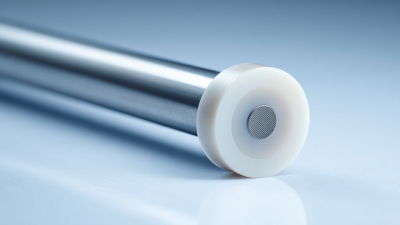
Ceramic rods are essential components in various industries. Their definition revolves around being rigid structures made primarily from inorganic, non-metallic materials. Generally, they are formed through pressing and then firing at high temperatures. This process leads to a dense, durable product with excellent thermal and electrical insulating properties.

The composition of ceramic rods typically includes alumina, zirconia, and silicon carbide. For instance, alumina accounts for about 85% of the ceramics market, due to its strength and corrosion resistance. Reports indicate that ceramic materials can withstand temperatures exceeding 1,600 degrees Celsius. This quality makes them ideal for applications in high-temperature environments, such as in aerospace or manufacturing sectors.

Despite their advantages, the brittleness of ceramic rods can be a concern. This property can lead to unexpected failures under stress, which is a limitation. Some studies suggest that using composite ceramics can help mitigate this issue. Additionally, precision in manufacturing is crucial, as slight imperfections can affect performance. Companies must strike a balance between cost and quality to meet industry demands while ensuring reliability.

Ceramic Rods Composition and Usage

Types of Ceramic Rods: Materials and Properties

Ceramic rods are versatile materials used in various applications. They come in different types, each with unique properties. Common materials include alumina, zirconia, and silicon carbide. These rods are valued for their hardness and resistance to wear. Alumina rods are often used in industrial applications due to their excellent mechanical strength. They can withstand high temperatures and resist chemical corrosion.

Zirconia rods are known for their toughness. They are more durable than other ceramic materials. This makes them ideal for applications that require high-impact resistance. These rods also exhibit low thermal conductivity.

Silicon carbide rods are used in demanding environments, such as cutting tools. Their high thermal and electrical conductivity sets them apart. However, they can be brittle, leading to potential issues during handling.

The variety in ceramic rods means they cater to different needs. However, choosing the right type requires careful consideration. It's essential to assess the specific application requirements. Misunderstandings about these materials can lead to improper usage and failures. Understanding these details is critical for successful applications.

Manufacturing Processes of Ceramic Rods

What is a Ceramic Rod and How is it Used?

Ceramic rods are vital components in various industries. Their manufacturing processes are complex and require precision. The production of ceramic rods typically involves methods like extrusion, isostatic pressing, and slip casting. Each method has distinct characteristics that influence the final product's properties.

Extrusion is a common method where clay or ceramic paste is pushed through a die to form rods. This technique can produce long, continuous shapes. Reports indicate that this method accounts for approximately 30% of ceramic rod production. Isostatic pressing applies pressure uniformly, which enhances density and strength. This process often results in higher quality ceramics, crucial for applications demanding durability. About 25% of manufacturers favor this method for specialty rods.

Slip casting is another technique where a liquid clay mixture is poured into a mold. This process allows for intricate shapes but can result in uneven thickness. Specialized industries may overlook potential inconsistencies in this method. Quality control remains a challenge. Estimates suggest that about 15% of ceramic rods are made using slip casting. Each production method comes with its advantages and drawbacks, influencing the final rod characteristics. Understanding these processes is essential for selecting the right ceramic rod for specific applications.

Applications of Ceramic Rods in Industry

Ceramic rods are vital in numerous industrial applications due to their unique properties. They are hard, heat resistant, and exhibit low friction. This makes them perfect for use in machinery and equipment that demands durability. In manufacturing, ceramic rods serve as insulators and components in high-temperature processes.

In machining applications, these rods can be used as cutting tools. They hold sharp edges and withstand wear, increasing efficiency. Companies appreciate their ability to maintain performance in harsh environments. However, sometimes these rods can be brittle, leading to breakage. Proper handling and storage are crucial to avoid accidental damage.

Tips: When using ceramic rods, ensure they are dry and clean. A damp surface can lead to slips during use. Always inspect the rods for cracks before use; this helps in maintaining safety and performance.

What is a Ceramic Rod and How is it Used? - Applications of Ceramic Rods in Industry

Application Material Type Temperature Resistance (°C) Key Properties Industry
Insulators Alumina 1000 High dielectric strength, chemical resistance Electronics
Cutting Tools Silicon Carbide 1600 Hardness, wear resistance Manufacturing
Heat Shields Zirconia 2500 Thermal stability, low thermal conductivity Aerospace
Electrical Components Borosilicate Glass 300 Low expansion, high strength Telecommunications

Ceramic Rods in Electrical Insulation and Heat Resistance

What is a Ceramic Rod and How is it Used?

Ceramic rods are widely used in various industries. Their primary roles include electrical insulation and heat resistance. These rods can withstand high temperatures without deforming. This property makes them ideal for applications in electrical devices. They prevent electric current from passing through, enhancing safety.

In many cases, ceramic rods are utilized in high-voltage environments. They provide reliable insulation while remaining stable under extreme conditions. However, designing these rods is not without challenges. The manufacturing process must ensure the right balance of materials and properties. Even a small imperfection can lead to failure in critical applications.

Heat resistance is another vital characteristic of ceramic rods. They can endure harsh thermal environments, making them suitable for aerospace and automotive sectors. Yet, achieving perfect heat tolerance can be tricky. Engineers often need to experiment with different formulations. The right blend can prevent cracking or loss of integrity. Finding that balance requires ongoing adjustments and observations.

Benefits and Limitations of Using Ceramic Rods

Ceramic rods are versatile tools commonly used for various applications. Their high-temperature resistance makes them ideal in industries like manufacturing and electronics. These rods can withstand extreme conditions without melting or deforming. However, their fragility poses a risk. A drop or improper handling can lead to breakage, which can be costly.

One major benefit of ceramic rods is their ability to insulate against electricity. This makes them essential in electrical applications. They don’t conduct heat well, preserving energy. On the flip side, their rigid nature can be a drawback. In some situations, flexibility is needed, and ceramic simply doesn’t provide that.

Users must also consider their maintenance needs. While ceramics can last long, they may accumulate dirt and grime. Regular cleaning is essential to maintain their efficiency. This can be overlooked easily, leading to performance issues. Balancing the benefits and limitations is crucial for anyone using ceramic rods effectively.

Maintenance and Care for Ceramic Rods

Ceramic rods are useful tools for sharpening knives and maintaining blades. However, they require proper care to ensure longevity and optimal performance.

Regular maintenance is key to keeping your ceramic rod in good condition. After each use, wipe the rod with a damp cloth. This will help remove any metal particles that may cling to its surface. Avoid using abrasive materials to clean it. They can scratch the ceramic and reduce effectiveness. Store the rod in a safe place, such as a protective sleeve. This prevents accidental damage.

Tips: Always handle the ceramic rod with care. Dropping it can cause cracks or chips. Even a small imperfection can affect its use. If you notice any damage, reconsider your approach to sharpening. Be gentle to preserve its lifespan. A little attention goes a long way in maintenance.

Exploring the Applications and Benefits of Alumina Ceramic Rods in Semiconductor Technology

Alumina ceramic rods have emerged as a vital component in semiconductor technology, primarily due to their impressive material properties. Made from high-purity ceramic powder, these rods undergo a rigorous process of forming—either through dry pressing or cold isostatic pressing—followed by high-temperature sintering and precision machining. This meticulous production technique ensures that the resulting ceramic rods possess outstanding characteristics such as high hardness, toughness, and low friction coefficients, making them highly effective in various demanding applications.

In the realm of semiconductor technology, alumina ceramic rods are particularly beneficial due to their excellent abrasion and corrosion resistance. These properties enable them to perform reliably in harsh environments, including those involving acids and alkalis. With a maximum operating temperature of up to 1600℃, alumina ceramic rods are indispensable in semiconductor manufacturing equipment, precision machinery, laser systems, and metrology instruments. Their ability to maintain structural integrity under extreme conditions contributes to enhanced performance and longevity of the devices they serve, thereby supporting innovation in the ever-evolving semiconductor industry.

FAQS

: What are ceramic rods used for?

: Ceramic rods are versatile materials used in various applications, including sharpening knives and industrial purposes.

What materials are commonly used in ceramic rods?

Common materials include alumina, zirconia, and silicon carbide, each with unique properties and applications.

Why are alumina rods popular in industrial settings?

Alumina rods have excellent mechanical strength, high-temperature resistance, and resist chemical corrosion, making them ideal for industrial use.

What is a key characteristic of zirconia rods?

Zirconia rods are tough and durable, suitable for applications requiring high impact resistance and low thermal conductivity.

What should I be cautious about when using silicon carbide rods?

Silicon carbide rods have high thermal and electrical conductivity but can be brittle, which may lead to handling issues.

How can I maintain my ceramic rod for longevity?

Regularly wipe the rod with a damp cloth after use and store it in a protective sleeve to prevent damage.

Is it safe to use abrasive materials for cleaning ceramic rods?

No, avoid abrasive materials as they can scratch the ceramic surface and reduce its effectiveness over time.

What happens if a ceramic rod gets damaged?

Any cracks or chips can affect its performance, so reconsider your sharpening approach if you notice any damage.

Why is careful handling of ceramic rods important?

Dropping the rod can cause chips or cracks, impacting its lifespan and performance. Handle with care.

Can improper use of ceramic rods lead to failures?

Yes, misunderstandings about these materials can result in improper usage, leading to failures in applications.

Conclusion

A ceramic rod is a cylindrical piece made from ceramic materials known for their durability and heat resistance. Typically composed of various oxides, these rods are categorized into different types based on their material properties, including alumina, zirconia, and silicon carbide. The manufacturing processes for ceramic rods involve techniques such as sintering and extrusion, allowing for precise control over their dimensions and properties.

In industry, ceramic rods are widely used for applications ranging from electrical insulation to high-temperature environments due to their excellent thermal stability. While they offer numerous benefits, such as resistance to corrosion and wear, there are limitations to consider, including their brittleness. Proper maintenance and care are crucial for maximizing the lifespan and performance of ceramic rods, ensuring they continue to meet the demanding needs of various industrial applications.

Sophie

Sophie

Sophie is a talented marketing professional at St.Cera Co., Ltd., a leading high-tech enterprise specializing in precision ceramic manufacturing. With a strong foundation in both technology and marketing, she possesses an exceptional understanding of the intricate world of precision ceramics.......
Previous Maximizing ROI: How Our After-Sales Support on Best Shadow Ring Inserts Minimizes Repair Costs