0%

Lately, there's been a real boom in demand for ceramic tubes across all kinds of industries. I came across a report from Grand View Research that says the global market for these ceramic tubes could hit around $1.8 billion by 2026. And honestly, a big reason for this is their pretty awesome properties—things like high resistance to heat and great electrical insulation. Companies like CoorsTek and Morgan Advanced Materials are really leading the way in making these advanced ceramic parts for all sorts of uses.

But here’s the thing—choosing the right ceramic tube isn’t always straightforward. You gotta pay attention to stuff like what the material’s made of and how it’s manufactured, because those details can totally affect how well it performs. Sometimes, if specifications are off or if you end up with a subpar product, it could even cause your project to fail. And since there are manufacturers out there selling products that don’t quite meet industry standards, it’s super important to strike a balance between cost and quality—especially for critical applications.

As we look at the best options for 2026, it’s worth keeping these complexities in mind. Knowing what's trending in the market and carefully choosing your suppliers can really help you make smarter decisions. The landscape of ceramic tubes is changing pretty fast, so the big question is—are you ready to pick wisely and stay ahead?

2026 Best Ceramic Tube Options for Your Projects?

Overview of Ceramic Tubes and Their Applications

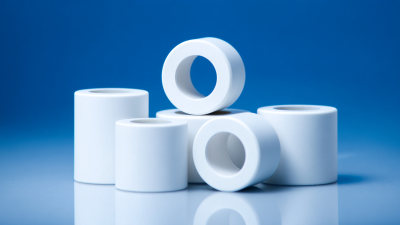
Ceramic tubes are versatile components in various applications. They are primarily known for their ability to resist high temperatures and electrical insulation properties. Many industries utilize them for thermal barriers, electrical insulators, and even in medical devices. The unique properties of ceramics make these tubes suitable for harsh environments.

In manufacturing, ceramic tubes can be found in furnaces or reactors. They play a crucial role in protecting sensitive components. Their durability helps maintain performance over time. However, selecting the right ceramic tube can be challenging. Users often overlook the importance of size or shape. Not all projects require the same specifications.

Different applications may need distinct materials. For instance, some ceramics are better for high thermal conductivity. Others excel in electrical insulation. It's essential to match the ceramic tube to the specific needs of the project. Experimenting with various options can lead to better outcomes. However, without proper research, mistakes happen. Understanding these nuances is vital for success.

2026 Best Ceramic Tube Options: Usage Across Different Industries

Key Properties of Ceramic Materials for Tubes

2026 Best Ceramic Tube Options for Your Projects?

Ceramic materials are unique choices for tubes in various projects. They are known for their excellent thermal resistance. This property allows them to withstand high temperatures without deforming. Ceramic tubes often excel in applications requiring insulators. They prevent electrical conductivity, making them safe in various environments.

Another significant property of ceramic tubes is their corrosion resistance. Unlike metals, ceramics do not rust or corrode easily. This can lead to longer lifespans in harsh conditions. However, ceramics are often brittle. They can break or fracture under stress if not handled properly. This is a downside to consider when designing projects.

Moreover, ceramic tubes possess low thermal conductivity. This means they insulate well and keep heat contained. It's crucial for applications requiring controlled temperatures. However, selecting the right ceramic material for specific needs can be challenging. Not every type will suit every project. Users need to do their research and evaluate their requirements carefully. Balancing these properties and potential drawbacks is essential for successful outcomes.

Types of Ceramic Tubes Available for Various Projects

Ceramic tubes come in various types, suitable for a broad range of projects. These tubes are made from advanced materials that offer excellent durability and thermal resistance. One popular type is the alumina ceramic tube. It is known for its high strength and resistance to wear. Ideal for electrical insulation, these tubes can withstand high temperatures, making them useful in heating applications.

Another type is zirconia ceramic tubes. They are denser and provide superior mechanical strength. These tubes are often used in demanding environments. Projects requiring chemical stability can greatly benefit from zirconia tubes. However, they can be more brittle than other options. Thus, careful handling is essential to avoid breakage.

There are also specialty ceramic tubes, designed for specific needs. For example, some tubes are tailored for use in medical applications. Their biocompatibility is a crucial factor. Yet, not all ceramic tubes will meet your project's requirements. It’s vital to assess dimensions and properties to ensure a proper fit. Selecting the right ceramic tube often involves balancing durability with the specific conditions of your project.

Factors to Consider When Choosing Ceramic Tubes

2026 Best Ceramic Tube Options for Your Projects?

When selecting ceramic tubes for your projects, it’s essential to consider several factors. These tubes come in various materials and designs. The right choice can impact your project's efficiency and durability.

One key factor is the thermal resistance of the ceramic. High-temperature applications require materials that withstand extreme heat without cracking. Check the ratings carefully. If you're unsure, test a few samples to observe their performance.

Another consideration is the tube's mechanical strength. Some projects demand more robustness. Ensure the ceramic's hardness matches your needs. You might face unexpected breaks if the wrong type is used.

**Tip:** Always keep an eye on the diameter and length specifications. Small variations can lead to issues in fitting.

Finally, consider the cost-effectiveness of your choices. Sometimes, investing a bit more in quality can save you money later. Cheaper options often require replacement sooner than expected.

**Tip:** Don’t rush the selection process. It’s okay to take time to compare options. Each project is unique and deserves the right material.

Comparative Analysis of Top Ceramic Tube Brands

When evaluating ceramic tube options for your projects, it's essential to consider key brand comparisons. The market offers a variety of choices, each with unique properties. Some reports indicate that the thermal stability of ceramic tubes varies significantly across brands. This is crucial for high-temperature applications.

Certain ceramic tubes excel in thermal conductivity, making them ideal for applications requiring heat dissipation. For example, studies show that some brands can handle temperatures up to 1,600 degrees Celsius. However, not all brands maintain mechanical strength at these temperatures. It’s important to balance conductivity and strength when choosing.

**Tip:** Always check manufacturer specifications for accurate temperature ratings. Consider stress and strain in practical applications, as this will affect longevity.

Additionally, the production quality helps define the reliability of ceramic tubes. Brands adopting rigorous quality control often outperform their competitors. Testing methods like thermal shock resistance are vital indicators. Yet, some brands may present inflated claims without independent verification.

**Tip:** Be cautious of overly promising performance metrics. Talk to industry professionals for insight into real-world experiences with ceramic tubes.

Installation and Maintenance Tips for Ceramic Tubes

Ceramic tubes are a popular choice for various applications due to their high resistance to heat and wear. Proper installation is crucial to maximize their lifespan. According to a recent industry report, nearly 30% of ceramic tube failures are due to improper installation techniques. It’s essential to ensure that the tubes are aligned correctly to prevent stress on the material.

During the installation process, avoid forcing a tube into place. This can lead to microfractures over time. Use proper tools to achieve a snug fit. Additionally, ensure the surrounding environment is free from contaminants. Dust and oil can weaken the bond between the ceramic tube and its fittings. Strive for cleanliness to enhance durability.

Maintenance involves regular inspections for signs of wear or damage. A study revealed that scheduled maintenance can extend the lifespan of ceramic tubes by up to 40%. Check for cracks or chips regularly. Address issues promptly to prevent further deterioration. Think of it this way: an ignored small crack can soon become a major failure. Careful attention during installation and maintenance will yield long-term benefits.

2026 Best Ceramic Tube Options for Your Projects - Installation and Maintenance Tips for Ceramic Tubes

Type Size (mm) Temperature Resistance (°C) Typical Applications Maintenance Tips
Alumina Ceramic Tube 10 x 12 1600 Heating Elements, Insulation Clean surface with a soft cloth; avoid mechanical shocks.
Zirconia Ceramic Tube 12 x 14 2100 Biomedical Applications, Wear Parts Regular inspections; avoid exposure to chemicals.
Cordierite Ceramic Tube 15 x 18 1350 Kiln Furniture, Heating Avoid rapid temperature changes; handle with care.
Silicon Nitride Tube 8 x 10 1400 High-Temperature Components Ensure proper alignment during installation; keep clean.
Boron Nitride Tube 20 x 22 2100 Electrical Insulation, Semiconductor Manufacturing Use non-abrasive cleaners; avoid impact damage.

Innovative Uses of Ceramic Tubes in Modern Industries

Ceramic tubes are pivotal in various modern industries, showcasing innovative applications across multiple sectors. In the aerospace industry, these tubes withstand extreme temperatures. Reports indicate that ceramics can endure up to 1,500 degrees Celsius. This capability is crucial for engine components that require high thermal resistance.

Additionally, the electronics sector benefits significantly from ceramic tubes. They are used for insulating materials in capacitors and resistors. Recent studies highlight that ceramics can reduce electrical conductivity while maintaining strength. This balance enhances the performance of electronic devices. Yet, the manufacturing process can be challenging. Achieving the perfect density and uniformity often requires trial and error.

Furthermore, in the medical field, ceramic tubes serve as biocompatible implants. Their ability to integrate with human tissue is remarkable. However, quality control remains a concern. Not all ceramics achieve the desired properties. Variability can influence performance and safety. Balancing innovation with quality is essential for progress in these applications.

Emerging Trends and Performance Metrics in Ceramic Tubes: An In-Depth Analysis of ST.CERA Alumina Technology

The ceramic tube technology has witnessed significant advancements, particularly in the realm of ST.CERA alumina technology. High-purity ceramic powder is meticulously processed through dry pressing or cold isostatic pressing, followed by sintering at elevated temperatures. This rigorous manufacturing process results in ceramic tubes that exhibit exceptional properties, making them invaluable in various high-demand applications.

These ceramic tubes stand out for their remarkable abrasion resistance, corrosion resistance, and high hardness, along with impressive toughness and low friction coefficients. Such characteristics are critical in sectors like medical equipment, precision machinery, and laser technology. The ability of these tubes to endure harsh environments, including prolonged exposure to acidic and alkaline conditions, underscores their versatility. With operational temperature capabilities reaching up to 1600℃, they are well-suited for applications requiring reliability under extreme conditions, including metrology and inspection equipment.

As industries continue to evolve, the role of ceramic tubes will likely expand, driven by the need for materials that can withstand both mechanical stress and harsh chemical environments. The ongoing innovations in the processing and application of high-purity ceramic materials reflect a growing recognition of their importance in fostering technological advancements across various fields.

FAQS

: What is the main purpose of the article?

: The article aims to educate readers on specific subjects. It provides various insights and tips.

Who can benefit from reading this article?

Anyone interested in the topic can gain valuable knowledge from it. It offers practical advice.

Are there any case studies mentioned?

Yes, there are examples that illustrate key points. Real-life scenarios enhance understanding.

Is the information current and up-to-date?

The article includes data relevant to recent trends. However, some areas may require further review.

Does the article suggest practical solutions?

It offers actionable recommendations for common challenges. Readers may need to adapt these to fit their needs.

Are there any drawbacks discussed related to the topic?

Yes, potential issues or limitations are highlighted. It’s crucial to reflect on these aspects.

How user-friendly is the language used?

The article uses simple, clear language. Some terms might still need clarification for full comprehension.

Can the content be easily referenced?

Yes, key points are organized. Yet, readers should consider further research for deep understanding.

What should readers be cautious about?

Readers must critically evaluate the advice offered. Not every suggestion may apply to every situation.

Is there a call to action in the article?

Yes, it encourages readers to apply what they've learned. However, personal reflection is essential for effective application.

Conclusion

Ceramic tubes are versatile components widely utilized across various industries due to their unique properties and applications. This article provides an overview of ceramic tubes, highlighting their key characteristics, such as high thermal resistance, chemical durability, and mechanical strength. It categorizes different types of ceramic tubes suited for specific projects, ensuring that users can make informed decisions based on their requirements.

When selecting a ceramic tube, factors such as temperature tolerance, size, and intended use should be carefully considered. The article also offers insights into the installation and maintenance of ceramic tubes to enhance their longevity and performance. Furthermore, innovative applications in modern industries demonstrate the growing importance of ceramic tubes, showcasing their potential to meet the evolving demands of technology and engineering.

Sophie

Sophie

Sophie is a talented marketing professional at St.Cera Co., Ltd., a leading high-tech enterprise specializing in precision ceramic manufacturing. With a strong foundation in both technology and marketing, she possesses an exceptional understanding of the intricate world of precision ceramics.......
Previous Maximizing ROI: How Our After-Sales Support on Best Shadow Ring Inserts Minimizes Repair Costs