
Lately, there's been a real spike in demand for ceramic shafts across different industries. I read somewhere that, according to MarketsandMarkets, the global market for these bad boys could hit about $2.1 billion by 2026. Crazy, right? This surge is mainly because companies are looking for materials that are tough, lightweight, and pack a punch in performance—think automotive and aerospace sectors.
Now, ceramic shafts actually have some pretty cool perks. They’re super resistant to corrosion and don’t wear out easily, making them perfect for harsh environments where metal shafts might give out. But here’s the thing—picking the right type of ceramic shaft is kinda key. Not every ceramic material suits every application, and sometimes expectations might not match reality—so doing your homework is a must.
Deciding on the perfect ceramic shaft isn’t just a toss-up. You gotta consider stuff like how well it handles high temperatures, what kind of loads it can handle, and how it’s made. Companies really need to look at these details carefully. As things keep changing in the market, ongoing research and innovation are definitely shaping how ceramic materials will look in the future.

Understanding Ceramic Shafts: Types and Benefits
Ceramic shafts are gaining recognition across various industries. Their unique properties make them suitable for multiple applications. Typically made from advanced ceramics, they exhibit excellent resistance to wear and corrosion. Reports indicate that these materials can withstand temperatures up to 1,600 degrees Celsius. This makes them ideal for high-temperature environments, such as aerospace and automotive sectors.
There are several types of ceramic shafts, including zirconia and alumina. Zirconia shafts are known for their toughness, offering a blend of strength and flexibility. On the other hand, alumina shafts are typically favored for electrical applications due to their insulating properties. According to recent industry data, the demand for ceramic components is projected to grow by 6% annually. This growth is driven by the increasing need for performance and durability in industrial applications.
While ceramic shafts have clear advantages, there are considerations to keep in mind. They can be brittle and may fracture under extreme stress. This leads to potential failures in critical systems. Additionally, their initial cost is often higher compared to traditional materials. End-users should weigh these factors alongside the performance benefits.


Enhancing Durability and Performance: A Comprehensive Analysis of Customized Ceramic Shaft Sleeves for ST.CERA Alumina Ceramics in Advanced Manufacturing
In advanced manufacturing, the durability and performance of components are critical for optimizing operational efficiency. Customized ceramic shaft sleeves, particularly those made from high-purity alumina ceramics, have emerged as a superior solution for various demanding applications. These sleeves are meticulously formed through either dry pressing or cold isostatic pressing, followed by a high-temperature sintering process that enhances their mechanical properties. The result is a product that exhibits remarkable abrasion resistance, corrosion resistance, high hardness, and exceptional toughness.
Additionally, the low friction coefficient of these ceramic shaft sleeves enables smooth operations in precision machinery and medical equipment. Their ability to withstand extreme conditions, including prolonged exposure to acidic and alkaline environments, makes them ideal for use in rigorous settings. These sleeves can also endure temperatures exceeding 1600℃, ensuring reliable performance even in high-heat applications. As industries continue to evolve, the adoption of customized ceramic components will play a pivotal role in enhancing productivity and extending the lifespan of critical machinery and equipment.

FAQS
: A healthy diet boosts energy. It improves mood and supports immune function. Eating well promotes overall wellness.
Start small. Add fruits to breakfast. Include veggies in lunch and dinner. Snack on raw vegetables.
Try simple salads. Make vegetable stir-fries. A smoothie is quick, too. Use basic ingredients you like.
Set small, achievable goals. Find a workout buddy. Mix up your routine to keep it interesting.
Yes, moderation is key. Enjoy a favorite dish occasionally. It helps maintain balance without feeling deprived.
Start with easy recipes. Batch cook on weekends. Use containers to store meals for the week.
Conclusion
Ceramic shafts have gained popularity due to their exceptional durability, lightweight nature, and resistance to corrosion and wear. In understanding ceramic shafts, it's important to recognize the various types available, each offering specific benefits tailored to different applications. When choosing a ceramic shaft, factors such as operating environment, load requirements, and compatibility with other materials should be thoroughly analyzed to ensure optimal performance.
Additionally, while several reputable brands provide quality ceramic shaft options, users should consider both cost and performance when making a selection. Proper maintenance is crucial for enhancing the longevity of ceramic shafts, with clear guidelines essential for ensuring their efficient use. Looking ahead, future trends in ceramic shaft technology suggest advancements in materials and manufacturing processes, promising even greater efficiency and functionality for various industrial applications.
Related Posts
-
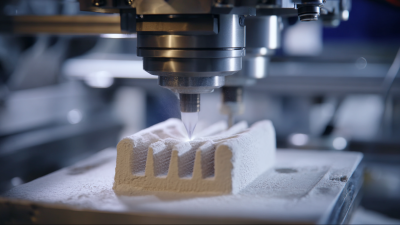
Addressing Challenges in High-Precision Manufacturing with Bernoulli Ceramic Finger Technology
-

Navigating Global Trade Certifications for Best Al2o3 Ceramic Rod Purchases
-

The Science Behind Ceramic Rods: Unveiling Their Role in Modern Technology
-

10 Best Precision Ceramic Components for High Performance Applications
-

Top Tips for Choosing Quality Ceramic Spare Parts for Your Needs
-

2026 Top Precision Ceramic Components for Advanced Applications?
