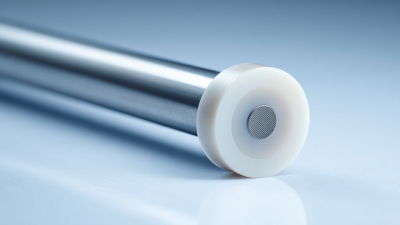
In the world of manufacturing, you really can't overstate how important ceramic rods are. These tiny but mighty components are key when it comes to boosting performance and making sure products last. I heard from Dr. Emily Carter over at Advanced Ceramics Inc., and she’s pretty much the go-to person for this stuff. She says, 'Ceramic rods are incredibly strong and can handle high temperatures, which makes them perfect for a whole bunch of applications.'
You'll find ceramic rods popping up in industries like aerospace, automotive, and electronics. Their special properties help minimize friction and wear, which basically means products stay in good shape longer. More and more manufacturers are seeing how these rods can really spark innovation and efficiency. That said, not everyone really pays attention to how they choose the right material, which is kinda a missed opportunity.
Of course, it’s not all smooth sailing. Ceramic rods come with their own set of challenges—they can be pretty brittle and need to be handled carefully during production. So, companies really need to weigh these pros and cons to get the most out of them. All in all, investing in high-quality ceramic rods can save you a lot of trouble down the line, not to mention making your products better and longer-lasting.

Overview of Ceramic Rods in Manufacturing Processes
Ceramic rods have become essential in various manufacturing processes. They provide unique benefits due to their material properties. These rods are highly resistant to wear and corrosion, making them ideal for harsh environments. In industries like aerospace and automotive, their durability is a crucial factor. Manufacturers often favor ceramic rods for components that require high precision and longevity.
The versatility of ceramic rods is another significant advantage. They can be used in electrical insulation, cutting tools, and even medical devices. Their non-conductive nature makes them suitable for insulating applications. Despite these advantages, the brittleness of ceramics can lead to challenges. Handling and machining require careful consideration to avoid breakage.
Many manufacturers report that integrating ceramic rods into their processes enhances overall product performance. The longevity of ceramic components reduces maintenance costs. However, companies must balance the benefits with the potential risks involved in handling ceramics. Each application should be evaluated thoroughly.
Key Properties of Ceramic Rods That Enhance Manufacturing
Ceramic rods possess unique properties that significantly enhance manufacturing processes. Their high hardness and strength make them ideal for cutting tools. These rods resist wear and abrasion effectively, resulting in longer tool life and reduced maintenance. Additionally, their dimensional stability under heat is a crucial advantage. High temperatures will not deform them, ensuring precise manufacturing tolerances.
Another important characteristic is their chemical resistance. Ceramic rods are not easily corroded by various chemicals, making them suitable for use in hostile environments. They can withstand extreme conditions without degrading. However, they can be brittle, a vulnerability that requires careful handling during production. Ensuring proper storage and transportation is essential to avoid damage.
Moreover, ceramics are lightweight compared to metals, allowing for easier manipulation. Their low density contributes to efficiency in various applications. Despite these benefits, the high cost of advanced ceramics can deter some manufacturers. Evaluating cost versus performance is crucial. The balance can lead to improved productivity and product quality in the long run.
Applications of Ceramic Rods in Various Industries
Ceramic rods have gained significant popularity in various manufacturing sectors due to their unique properties. One notable application is in the aerospace industry, where lightweight and heat-resistant materials are crucial. Reports indicate that advanced ceramics can withstand temperatures exceeding 1,600 degrees Celsius. This makes them ideal for components like turbine blades, which are subjected to extreme conditions.
In the electronics sector, ceramic rods are utilized for their electrical insulating capabilities. They are often found in insulators and substrates, helping to ensure safety in high-voltage environments. Industry data shows a growing demand for ceramics in electronics, estimated to expand at a CAGR of over 6% by 2025. This trend highlights their critical role in innovation and technology.
Tip: When choosing ceramic rods for manufacturing, consider the specific environmental conditions they will face. Matching the rod's properties with application needs is essential for optimal performance.
The automotive industry also benefits from ceramic rods. They are used in various high-performance parts, enhancing durability and efficiency. Yet, the integration of ceramics often poses challenges in terms of processing and bonding to other materials. Addressing these challenges can lead to improved product performance and lifecycle.
Tip: Always evaluate the manufacturing process compatibility when selecting materials. Consider how ceramic rods can interact with other components and processes to minimize potential issues.
Comparative Advantages of Ceramic Rods Over Metal Components
Ceramic rods have gained popularity in manufacturing due to their distinct advantages over traditional metal components. For instance, they exhibit remarkable wear resistance. According to a 2022 report from the International Journal of Advanced Manufacturing Technology, ceramic materials can withstand friction much better than metals. This resistance leads to longer lifespans for equipment, reducing replacement costs.
Moreover, ceramic rods are lighter than many metals, making them ideal for applications where weight is a concern. In industries like aerospace, every gram counts. A study by the Aerospace Industries Association suggests that using ceramics can enhance fuel efficiency by up to 10% in some vehicles. However, it’s essential to note that while ceramics boast many benefits, they can be more brittle. This brittleness might lead to failures under certain stress conditions, which requires careful consideration during design.
The manufacturing process of ceramic components often results in lower thermal expansion rates compared to metals. This property means better dimensional stability in varying temperatures, a critical factor in precision engineering fields. Yet, the initial cost of ceramics can be a deterrent for some manufacturers. Balancing these factors is crucial for industries aiming to optimize performance while managing costs effectively.
Cost-Effectiveness of Utilizing Ceramic Rods in Production
Ceramic rods are gaining popularity in manufacturing. Their cost-effectiveness stands out in various applications.
These rods provide benefits that can significantly reduce production costs. For instance, they have a long lifespan and require less frequent replacements than metal counterparts. This durability translates into lower long-term expenses.
When utilizing ceramic rods, manufacturers can also optimize their processes. The lightweight nature of ceramics can lead to easier handling and reduced energy consumption.
This can minimize operational costs. Moreover, the thermal resistance of ceramics allows for higher temperature capabilities. This means companies can save on cooling solutions, leading to further savings.
Tips: Consider investing in high-quality ceramic materials. In the short term, the upfront cost may seem higher.
However, the long-term savings often surpass initial investments. Perform a cost-benefit analysis before switching materials. This can reveal unexpected savings opportunities.
Always remember to assess your specific production needs. Balancing quality and cost is crucial for maximizing efficiency.
Environmental Impact of Using Ceramic Materials in Manufacturing
Ceramic materials are gaining traction in manufacturing due to their environmental benefits. They are often made from abundant raw materials, reducing the need for rare minerals. In fact, according to a study by the American Ceramic Society, 70% of ceramic components can be sourced from sustainable materials. This shift helps to lower the carbon footprint associated with extraction and processing.
Moreover, the production of ceramic rods generates less waste compared to metals and plastics. A report from the International Journal of Advanced Manufacturing Technology states that ceramic processes can achieve a waste reduction of up to 30%. This is critical for industries striving to meet stringent sustainability targets. Utilizing ceramics also results in energy savings. Many manufacturing processes can operate at lower temperatures, further decreasing energy consumption.
Despite these advantages, challenges remain. The brittleness of ceramics can lead to higher rejection rates during production. Companies must develop more robust quality control measures to address this. Additionally, while ceramics are often recyclable, the facilities that can effectively recycle them are limited. The industry needs to invest in better recycling technologies to fully harness the environmental potential of ceramics.
Future Trends in the Use of Ceramic Rods in Industrial Applications
The future of ceramic rods in industrial applications looks promising. These versatile materials are gaining traction across various sectors. Their unique properties, such as high durability and exceptional thermal resistance, make them suitable for advanced manufacturing processes. As industries evolve, integrating ceramic rods can enhance efficiency and product longevity.
One notable trend is the increased use of ceramic rods in high-performance engines. Manufacturers are exploring their potential to reduce weight and improve fuel efficiency. The lightweight nature of ceramic rods can lead to innovations in aerospace and automotive sectors. However, transitioning to these materials poses challenges. Companies must invest in research and development to address issues related to manufacturing techniques and costs.
Tips: Consider starting small when integrating ceramic rods into production. Testing their performance in less critical applications can provide valuable insights. Collaborating with material scientists can help refine your approach and address potential shortcomings. Innovations may require time to mature, and patience is key. Balancing enthusiasm with practical assessments will guide effective implementation in the future.
FAQS
: Ceramic rods have high hardness and strength, making them ideal for cutting tools.
They maintain dimensional stability and do not deform, ensuring precise manufacturing tolerances.
Yes, they resist corrosion from various chemicals, suitable for hostile environments.
They can be brittle, requiring careful handling to prevent damage during production.
Their low density allows for easier manipulation, improving efficiency in various applications.
The high cost of advanced ceramics may deter some manufacturers from using them.
They are made from abundant materials, reducing reliance on rare minerals and lowering carbon footprints.
Ceramic processes can achieve a waste reduction of up to 30% compared to metals and plastics.
Limited recycling facilities make it difficult to effectively recycle ceramics in many regions.
Developing robust quality control measures is crucial to address the brittleness issue in ceramics.
Conclusion
Ceramic rods are increasingly utilized in manufacturing processes due to their unique properties, which enhance performance and efficiency across various applications. These rods exhibit exceptional hardness, chemical resistance, and thermal stability, making them ideal for use in industries ranging from aerospace to medical devices. Their lightweight nature and durability present significant advantages over traditional metal components, offering manufacturers a reliable alternative that improves product lifespan and reduces maintenance costs.
The cost-effectiveness of ceramic rods further contributes to their appeal, as they can lower production expenses in the long run despite higher initial costs. Additionally, the environmental impact of using ceramic materials is generally positive, as they are often more sustainable than metals. As manufacturing continues to evolve, future trends indicate a growing integration of ceramic rods into more specialized industrial applications, driven by advancements in technology and a continued focus on sustainability.