
When you think about the industrial world, it’s pretty clear that using innovative materials is more important than ever. One material that really stands out is the Ceramic Shaft — it’s got some pretty cool properties. You'll find these shafts popping up in all sorts of machinery, and honestly, they bring a lot to the table compared to the old-school options. They’re lightweight but super strong, which helps machines run more efficiently — kind of a win-win, right?
Companies like XYZ Industries and ABC Manufacturing are jumping on the bandwagon and starting to use Ceramic Shafts more and more. They tend to resist wear and corrosion like champs, which means less time and money spent on maintenance — totally a plus when you’re trying to stay competitive. That said, switching over isn’t always smooth sailing; there can be some hurdles, like the big upfront investment or needing special handling.
But even with those challenges, the long-term perks tend to outweigh the initial bumps. Moving toward Ceramic Shafts might just push industries into a more innovative and sustainable future. As businesses look for ways to improve their operations, really understanding what these shafts can do is pretty important. Digging into this could lead to some fresh strategies and even new standards in the industry — exciting stuff, really.

Overview of Ceramic Shafts and Their Industrial Uses
Ceramic shafts have gained popularity in industrial applications due to their unique properties. Unlike metal shafts, ceramic shafts resist wear and corrosion effectively. This durability is critical in environments where conventional materials fail. For example, they can withstand high temperatures and harsh chemicals. These capabilities make them ideal for industries such as aerospace and automotive.
In manufacturing, efficiency is crucial. Ceramic shafts contribute to this by reducing maintenance needs. They can operate for extended periods without frequent replacements. However, they can be brittle, requiring careful handling during installation. This fragility can lead to challenges in production settings. Users need to be mindful of their limitations. Even with these drawbacks, the advantages often outweigh the concerns.
Ceramic shafts also enhance performance in various machines. Their lightweight nature allows for increased speed and reduced energy costs. Moreover, they have low friction coefficients, improving overall efficiency. Yet, engineers should consider compatibility with other materials. Balancing different properties is essential for successful implementation.

Maximizing Efficiency: The Impact of Customized Ceramic Shaft Sleeves on ST.CERA Alumina Ceramics Processing and Industry Growth
The customization of ceramic shaft sleeves has a profound impact on the efficiency of ST.CERA alumina ceramics processing and the broader industry growth. Made from high-purity ceramic powder, these components undergo a meticulous manufacturing process involving dry pressing or cold isostatic pressing, followed by high-temperature sintering and precision machining. This careful approach ensures that the resulting ceramic tubes exhibit exceptional properties that meet the demanding requirements of various applications.
With remarkable abrasion and corrosion resistance, alongside high hardness and toughness, customized ceramic shaft sleeves are invaluable in industries ranging from medical equipment to precision machinery. Their low friction coefficient enhances performance, which is particularly important in applications involving laser technology and metrology. Additionally, the ability of these ceramic components to withstand extreme conditions, including prolonged exposure to acidic and alkaline environments and high temperatures up to 1600℃, further underscores their critical role in advancing technological processes. As industries increasingly seek efficient, durable materials, the adoption of tailored ceramic solutions is likely to drive significant growth and innovation in the sector.

FAQS
: Regular exercise improves physical health and mental well-being. It boosts energy levels and enhances mood.
Aim for at least 150 minutes of moderate activity weekly. Short bursts of activity can also be effective.
Yes, start slowly and listen to your body. Gradually increase intensity and duration as you feel comfortable.
Walking, cycling, and yoga are great starters. Choose activities you enjoy for long-term commitment.
Yes, warming up prepares your body and reduces injury risk. Dynamic stretches work well as a warm-up.
Stop exercising immediately and assess the pain. Pushing through pain may lead to serious injuries.
Set achievable goals and create a routine. Consider exercising with friends for added motivation and accountability.
Yes, home workouts can be effective. Use bodyweight exercises and online classes to keep things interesting.
Allow time for recovery. Hydrate, stretch, and consider rest days to help your body heal.
Regular exercise can lead to better sleep quality. However, avoid intense workouts close to bedtime.
Conclusion
Ceramic shafts have emerged as a vital component in various industrial applications due to their remarkable properties. Their durability ensures a long-lasting performance, significantly reducing the frequency of replacements and maintenance. Moreover, ceramic shafts exhibit exceptional corrosion resistance, making them ideal for use in harsh environments where traditional materials might fail.
In addition to their strength, ceramic shafts contribute to improved efficiency by offering substantial weight savings, which enhances the overall performance of machinery. Their thermal stability allows them to operate effectively under extreme temperatures, while their excellent electrical insulation properties are crucial for electronics applications. Furthermore, while the initial investment may be higher, ceramic shafts are cost-effective over the long term due to the savings on maintenance and replacements, solidifying their position as a preferred choice in modern industries.
Related Posts
-

The Benefits of Using Ceramic Shafts in Modern Engineering Applications
-

Maximizing Performance in High Temperature Applications with Alumina Ceramics Supplier Innovations
-
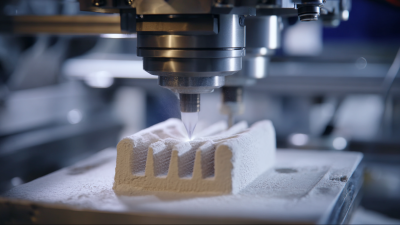
Addressing Challenges in High-Precision Manufacturing with Bernoulli Ceramic Finger Technology
-
Ultimate Guide to Choosing the Best Zirconia Ceramic Finger for Your Industrial Needs
-
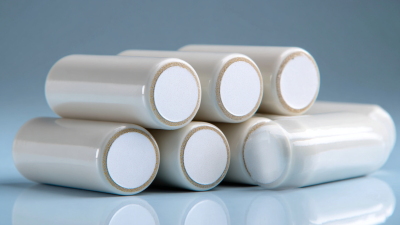
Unmatched Quality: Discover the Excellence of China's Premier Zirconia Ceramic Pin Manufacturer
-

Why Choose Aln Ceramic End Effectors for Your Automation Needs
