0%

In the ever-evolving landscape of electrical engineering, the significance of the Ceramic Insulator Ring cannot be overstated. These innovative components play a crucial role in ensuring the reliability and efficiency of electrical systems across various applications. Renowned expert Dr. James Whitman, a leading figure in materials science, emphasizes, "Ceramic Insulator Rings not only enhance dielectric strength but also provide unmatched durability in harsh environments." His insight underscores the essential qualities that make these insulator rings a preferred choice among engineers and industry professionals.

As organizations increasingly seek solutions that combine performance with sustainability, the benefits offered by Ceramic Insulator Rings become increasingly relevant. From their ability to withstand extreme temperatures and voltages to their resistance against corrosion and aging, these insulators are engineered to meet demanding operational standards. Furthermore, the lightweight nature of ceramic materials enables easier handling and installation, thereby reducing labor costs and project timelines.

In exploring the top ten benefits of Ceramic Insulator Rings for electrical applications, we delve into how these components not only optimize system performance but also contribute to long-term cost savings and enhanced safety measures in the electrical industry.

Top 10 Benefits of Ceramic Insulator Rings for Electrical Applications

Overview of Ceramic Insulator Rings in Electrical Engineering

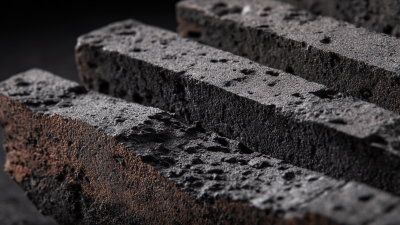
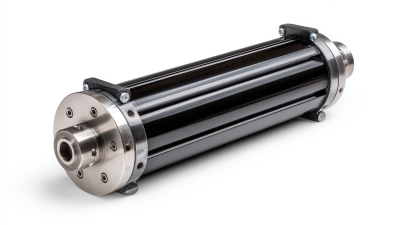
Ceramic insulator rings have become a pivotal component in electrical engineering, particularly in enhancing the performance and reliability of electrical systems. These rings, composed of high-purity ceramic materials, offer excellent dielectric properties that enable them to withstand high voltages and extreme environmental conditions. Research indicates that ceramic insulators can resist breakdown voltages exceeding 40 kV, making them ideal for high-voltage applications such as transformers, capacitors, and power lines. Their low thermal conductivity also contributes to improved energy efficiency by minimizing heat losses during electrical transmission.

In addition to their superior electrical performance, ceramic insulator rings exhibit exceptional mechanical strength and durability. According to a report by the International Electrotechnical Commission (IEC), ceramic insulators can last over 30 years in service when properly maintained, which is significantly longer than their polymer counterparts. This longevity not only reduces the frequency of replacements but also contributes to the overall sustainability of electrical infrastructure. Moreover, ceramics are inherently resistant to moisture, pollutants, and temperature fluctuations, making them suitable for various applications across diverse environments, from urban settings to remote locations.

Key Properties of Ceramic Materials for Insulation Applications

Top 10 Benefits of Ceramic Insulator Rings for Electrical Applications

Ceramic materials are widely recognized for their outstanding properties in insulation applications, making them an excellent choice for electrical systems. One of the key properties of ceramics is their high dielectric strength, which allows them to withstand substantial electrical stress without breaking down. This is particularly important in electrical insulators, where the isolation of conductive components is essential for safe and efficient operation. Additionally, ceramics exhibit excellent temperature stability, maintaining their insulating properties across a wide range of temperatures, thereby enhancing reliability in various environmental conditions.

Another significant property of ceramic materials is their impressive resistance to moisture and chemical corrosion. Unlike some organic insulators, ceramic insulators do not absorb water, which can degrade performance over time. This makes them particularly suitable for outdoor applications where exposure to the elements is inevitable. Furthermore, ceramics have low thermal conductivity, which helps in minimizing heat loss and protecting sensitive components in electrical systems.

Tips: When selecting ceramic insulator rings for your electrical applications, consider the operational environment. Evaluate factors such as temperature ranges and exposure to chemicals to ensure the chosen material will perform reliably. Regular maintenance and inspections can also extend the lifespan of these insulators, as checking for physical damage or degradation is crucial for optimal performance.

Enhanced Thermal Resistance of Ceramic Insulator Rings

Ceramic insulator rings offer exceptional thermal resistance, making them a preferred choice in various electrical applications. Their ability to withstand high temperatures without degrading allows them to perform reliably in environments where traditional materials may falter. The unique properties of ceramics contribute to low thermal conductivity, which helps maintain optimal operational temperatures within electrical systems. This characteristic is crucial for preventing overheating and ensuring the longevity of electrical components.

Moreover, the enhanced thermal resistance of ceramic insulator rings also plays a vital role in improving energy efficiency. By minimizing heat loss, these insulators not only protect critical equipment but also reduce the overall energy consumption of electrical systems. This efficiency is particularly important in high-power applications where excessive heat can lead to circuit failures or reduced performance. Therefore, the integration of ceramic insulator rings can significantly contribute to the reliability and efficiency of modern electrical infrastructures.

Superior Electrical Insulation Performance of Ceramic Materials

Top 10 Benefits of Ceramic Insulator Rings for Electrical Applications

Ceramic insulator rings stand out for their superior electrical insulation performance, which is essential in a range of electrical applications. The unique dielectric properties of ceramic materials allow them to withstand high voltages with minimal leakage current, making them ideal for use in transformers, capacitors, and various switching devices. According to a report by the Global Insulation Market Research Group, ceramics typically exhibit dielectric strengths exceeding 20 kV/mm, significantly outperforming many polymer-based insulators, which generally have dielectric strengths below 10 kV/mm. This capability ensures that electrical systems operate efficiently and with a reduced risk of failure, contributing to a more reliable infrastructure.

Furthermore, ceramic insulator rings excel in thermal stability and chemical resistance. They maintain their insulating properties even under extreme temperature variations, with some ceramics capable of functioning effectively in environments reaching temperatures of 1000°C or higher. This thermal resilience is complemented by their ability to resist harsh chemicals, which can degrade other insulating materials. A study published in the Journal of Material Science indicates that ceramic insulators can endure exposure to corrosive substances without significant wear, a crucial factor in industrial settings where equipment is constantly subjected to aggressive substances. These characteristics not only enhance the lifespan of electrical components but also reduce maintenance costs and downtimes, making ceramic insulator rings a valuable asset in modern electrical engineering.

Resistance to Environmental Factors and Corrosion

Ceramic insulator rings are renowned for their exceptional resistance to environmental factors and corrosion, making them an ideal choice for various electrical applications. The unique properties of ceramics, including their high dielectric strength and thermal stability, allow these insulator rings to withstand extreme temperatures and harsh environmental conditions. According to a report by the International Electrotechnical Commission, ceramic insulators exhibit lower degradation rates compared to traditional materials, maintaining their electrical integrity even in the presence of moisture and aggressive chemicals.


Moreover, the corrosion resistance of ceramic materials is critical in power transmission and distribution applications. A study published in the Journal of Electrical Engineering found that ceramic insulators have been shown to maintain their performance for over 30 years when exposed to corrosive environments, such as those found in coastal areas or industrial settings. This longevity not only reduces maintenance costs but also minimizes the risk of electrical failures, underscoring the reliability of ceramic insulators in critical infrastructure. By mitigating the effects of environmental stressors, ceramic insulator rings play a pivotal role in enhancing the overall efficiency and durability of electrical systems.

Applications of Ceramic Insulator Rings in Power Transmission

Ceramic insulator rings play a crucial role in the power transmission sector, serving as essential components that ensure the safe and efficient flow of electricity. One of their key applications is in high-voltage transmission lines, where they prevent electrical leakage and maintain the integrity of the conductor. By providing a robust barrier against environmental elements, ceramic insulator rings help protect the electrical systems from moisture, pollution, and other corrosive factors, which can lead to system failures or disruptions.

In addition to high-voltage lines, these insulator rings are also commonly used in substations and transformer stations. Their ability to withstand extreme temperatures and harsh conditions makes them ideal for these environments where reliability is paramount. Furthermore, ceramic materials exhibit excellent dielectric properties, which enhance the overall performance of insulators. With their superior mechanical strength and resistance to aging, ceramic insulator rings contribute significantly to the longevity and maintenance efficiency of electrical infrastructure, leading to reduced downtime and lower operational costs.

Top 10 Benefits of Ceramic Insulator Rings for Electrical Applications

Cost-Effectiveness and Longevity of Ceramic Insulator Solutions

Ceramic insulator rings are increasingly recognized for their cost-effectiveness and longevity in electrical applications. These materials offer a unique combination of durability and high electrical resistance, making them ideal for various settings where reliability is crucial. By investing in ceramic insulator solutions, businesses can reduce maintenance costs significantly due to the extended lifespan of these components. Unlike traditional materials, ceramics resist wear and degradation from high temperatures and harsh environmental conditions, ensuring that they maintain their insulating properties over time.

When selecting ceramic insulator rings, consider these tips to maximize your investment: First, assess the specific electrical and environmental conditions your application will face to choose the right type of ceramic. This ensures optimal performance and longevity. Second, regular inspections can help identify any potential issues early, allowing for proactive replacements before significant problems arise. Lastly, collaborating with knowledgeable suppliers can provide valuable insights on the latest advancements in ceramic technology, further enhancing your system's efficiency and reliability. By making informed choices, organizations can fully leverage the long-term benefits of ceramic insulator solutions while keeping costs in check.

Top 10 Benefits of Ceramic Insulator Rings for Electrical Applications

Benefit Description Cost-Effectiveness Longevity
High Voltage Resistance Excellent insulating properties for high voltage applications. Reduces costs associated with electrical failures. Can last for decades under proper conditions.
Thermal Stability Maintains performance across a wide temperature range. Minimizes replacement costs due to thermal failures. Lasts longer in extreme temperature conditions.
Chemical Resistance Withstands exposure to harsh chemicals and pollutants. Reduces maintenance costs in corrosive environments. Life expectancy increased in aggressive conditions.
Low Electrical Conductivity Prevents energy loss and heating. Enhances overall energy efficiency, lowering bills. Durable material ensures lasting performance.
Lightweight Easier to handle and install compared to glass or metal. Saves on transportation and installation costs. Less strain on supporting structures enhances longevity.
Versatile Applications Suitable for various electrical systems. Reduces need for multiple types of insulators. Consistent performance across diverse applications.
Non-Flammable Does not support combustion or fire spread. Lower insurance and risk management costs. Increases safety and lifespan of installations.
Eco-Friendly Material Manufactured from natural resources. Potentially lower lifecycle costs due to sustainability. Durable design contributes to environmental conservation.
Minimal Maintenance Required Requires less frequent inspections and replacements. Saves time and costs for maintenance activities. Ensures reliability for years ahead.

FAQS

: What are ceramic insulator rings used for in electrical engineering?

: Ceramic insulator rings are essential components in electrical engineering, enhancing the performance and reliability of electrical systems, particularly in high-voltage applications such as transformers, capacitors, and power lines.

What materials are ceramic insulator rings made from?

Ceramic insulator rings are composed of high-purity ceramic materials that provide excellent dielectric properties and mechanical strength.

How do ceramic insulator rings perform under high voltage?

Research indicates that ceramic insulators can resist breakdown voltages exceeding 40 kV, making them suitable for high-voltage applications.

What is the lifespan of ceramic insulator rings?

When properly maintained, ceramic insulator rings can last over 30 years in service, significantly longer than many polymer alternatives.

How do ceramic insulator rings contribute to energy efficiency?

Their low thermal conductivity helps minimize heat losses during electrical transmission, thereby improving energy efficiency.

Are ceramic insulator rings resistant to environmental factors?

Yes, ceramic insulator rings exhibit exceptional resistance to moisture, pollutants, and temperature fluctuations, making them suitable for a wide range of environments.

How do ceramic insulator rings compare to traditional materials in terms of degradation?

Ceramic insulators exhibit lower degradation rates compared to traditional materials, maintaining electrical integrity in harsh conditions.

What is the significance of corrosion resistance in ceramic insulator rings?

Their corrosion resistance is critical for applications in power transmission and distribution, especially in corrosive environments like coastal areas or industrial settings, ensuring reliability and reducing maintenance costs.

How do ceramic insulator rings enhance the durability of electrical systems?

By mitigating the effects of environmental stressors and maintaining performance over many years, ceramic insulator rings enhance the overall efficiency and durability of electrical systems.

Where can ceramic insulator rings be applied?

Ceramic insulator rings can be utilized in various applications, from urban electrical infrastructure to remote locations, thanks to their durability and resistance to environmental factors.

Conclusion

Ceramic Insulator Rings play a crucial role in electrical engineering by providing effective insulation and thermal resistance in various applications. These rings are made from high-quality ceramic materials, which are known for their superior electrical insulation performance and ability to withstand harsh environmental factors, including corrosion. This makes them particularly valuable in power transmission, where reliability and durability are paramount.

Furthermore, Ceramic Insulator Rings offer cost-effectiveness and longevity, making them a preferred choice for electrical insulation solutions. Their unique properties enhance the overall efficiency and safety of electrical systems, ensuring optimal performance over time. The growing adoption of these ceramic solutions highlights their significance in modern electrical applications.

Benjamin

Benjamin

Benjamin is a dedicated marketing professional at St.Cera Co., Ltd., a renowned private high-tech enterprise specializing in precision ceramic manufacturing. With a deep understanding of the intricacies of ceramic technology, he plays a pivotal role in showcasing the company's innovative products......
Previous Maximizing ROI: How Our After-Sales Support on Best Shadow Ring Inserts Minimizes Repair Costs