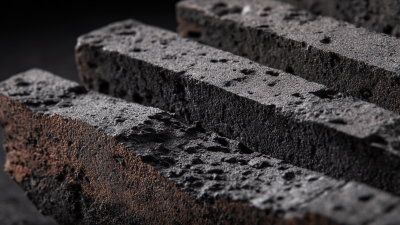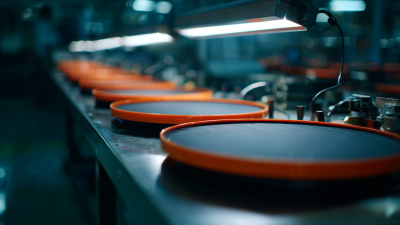
You know, advanced ceramics are really starting to shake up our everyday lives. I mean, these materials have some pretty amazing properties that boost how things work. According to a report from the Global Advanced Ceramics Market, the industry is expected to hit around $125 billion by 2026. That’s a strong sign that more and more folks are starting to see just how useful advanced ceramics can be across different fields.
The benefits? They’re pretty impressive and quite varied. For instance, their lightweight design makes them perfect for industries like aerospace and cars. Plus, they’re super resistant to heat and wear, which is a game-changer for electronics that need to run under extreme conditions. A survey from Market Research Future also showed that consumers really appreciate how durable and efficient products made with these ceramics are.
Of course, it’s not all smooth sailing. There are some hurdles to overcome. The process of making advanced ceramics can be pretty costly and complicated, which makes it tough to scale up. More research is definitely needed to make these materials more affordable and accessible. Even though they hold a ton of promise, tackling these challenges will be key if we want to see them become a regular part of our daily lives.
Advanced ceramics offer remarkable advantages for daily life. Their durability makes them ideal for various applications. They can withstand high temperatures and resist wear and tear. This makes them useful in kitchenware and electronics. Imagine a plate that endures heavy use without chipping.
Another significant benefit is their lightweight nature. Advanced ceramics are often lighter than metals. This feature is particularly beneficial in automotive and aerospace industries. It can improve fuel efficiency. However, the fragile nature can be a concern. Care must be taken to prevent chipping or breaking.
Additionally, advanced ceramics have excellent thermal insulation properties. They keep food hot or cold longer. Think of coffee mugs that retain heat. They enhance the overall experience. But, not all ceramics provide the same level of insulation. Some may lack effectiveness. Users should be aware of this when selecting products.
Enhanced durability is a hallmark of advanced ceramics. This material can withstand extreme conditions. It resists wear, scratches, and corrosion far better than many alternatives. Whether in cookware, bathroom fixtures, or dental applications, advanced ceramics prove to be reliable. They hold up well under high temperatures and pressures, making them suitable for various everyday uses.
Tips: When choosing ceramics, consider the intended use. Heavy-duty items need stronger materials. For decorative pieces, aesthetic appeal might take priority over durability. Take this into account when selecting your products.
Despite their resilience, not all advanced ceramics are created equal. Some types may chip or crack under specific conditions. It’s essential to understand the limits of the material. Regular checks can prevent issues. This can ensure that you enjoy the benefits without unexpected mishaps. Observation is key to maintaining the integrity of these ceramic products.
Advanced ceramics are taking everyday products to the next level. Their lightweight properties make them a perfect choice for various applications. Imagine a smartphone that feels almost weightless yet is incredibly durable. Advanced ceramics can help achieve this balance.
These materials are not just light but also sturdy. They can withstand pressure and resist scratches. Consider cookware that is both easy to handle and able to endure high temperatures. However, the manufacturing process for advanced ceramics can be complex. Sometimes, imperfections arise that make it challenging to produce flawless items. These flaws might affect performance, yet they offer valuable lessons for improvement.
The versatility of lightweight ceramics extends to other products too. Think of sporting equipment that enhances performance without adding bulk. However, some users may find the trade-off between durability and weight disheartening. Developing a better understanding of these materials can lead to innovative designs. Embracing imperfections could ultimately lead to advancements beneficial in everyday life.
Advanced ceramics are increasingly gaining attention for their remarkable thermal resistance properties. These materials can withstand extreme temperatures, making them ideal for various applications. A recent industry report indicates that advanced ceramics can endure temperatures exceeding 1,000 °C without losing structural integrity. This feature is crucial in industries such as aerospace and automotive, where materials are often exposed to intense heat.
In everyday applications, advanced ceramics demonstrate exceptional performance in cookware and heating elements. Unlike conventional materials, these ceramics won’t warp or degrade under high heat. They maintain their shape and functional characteristics, ensuring longevity and safety. Studies show that advanced ceramics can also improve energy efficiency. For instance, using ceramic cookware can reduce cooking time, saving energy in the process.
However, there are challenges with advanced ceramics. Their brittleness can cause potential issues during manufacturing and installation. Care must be taken to ensure proper handling and application. Innovations in design aim to mitigate these shortcomings. Nevertheless, the positive attributes of thermal resistance prevail, showcasing the material’s promise for future innovations in everyday products.
Advanced ceramics are transforming medical applications with their unique properties. Their biocompatibility makes them ideal for implants and prosthetics. These materials integrate well with human tissue. They minimize rejection risks, promoting healing. Many patients report fewer complications with ceramic implants. This is crucial for long-term success.
However, not all advanced ceramics are created equal. Some formulations may lack the necessary strength or durability. It's essential to choose the right material for each application. This ensures safety and effectiveness.
**Tips:** When considering advanced ceramics for medical use, consult with medical professionals. They can provide valuable insights. Always prioritize biocompatibility and functionality. Take time to understand the different types available. Research is key to making informed decisions.
Advanced ceramics offer stunning aesthetic flexibility, transforming everyday items into works of art. The material's versatility allows designers to play with intricate shapes and vibrant colors. Advanced ceramics can be molded into various forms, making them ideal for bespoke designs. According to a recent report by the Ceramic Industry Association, advanced ceramics have seen a 25% increase in use in architectural applications over the past three years. This trend showcases their potential in both functionality and design.
In home décor, advanced ceramics are used in everything from tiles to kitchenware. Their smooth surfaces and customizable finishes enhance any setting. However, the transition from traditional materials to ceramics can pose challenges. For instance, designers may struggle to find the right balance between artistic expression and practicality. A study by the International Journal of Ceramics mentions that 45% of designers feel restricted by production constraints when working with advanced ceramics. This reflects the need for innovation in manufacturing techniques to fully unleash their potential.
Moreover, the use of advanced ceramics can lead to unexpected issues. Some users report fragility in certain designs. Manufacturers must prioritize durability alongside aesthetic appeal. For all their beauty, the functional limitations of advanced ceramics remind us that every material has its strengths and weaknesses. Finding harmony between beauty and usability remains an ongoing challenge in the industry.
Advanced ceramics offer substantial cost-effectiveness in various applications. Their durability and resistance to wear can lead to significant savings over time. According to a recent industry report, using advanced ceramics can reduce maintenance costs by up to 30% compared to traditional materials. Homes or businesses using these materials often experience lower replacement expenses as they last longer.
The energy efficiency of advanced ceramics also contributes to long-term savings. For example, ceramic insulation can cut energy bills by 10-20%. This is particularly beneficial for industries with high energy consumption. Their lightweight nature means reduced transportation costs too. However, initial investment can be higher, which might deter some buyers. Balancing upfront costs with future savings is essential.
Yet, there can be misconceptions about advanced ceramics. Some may find them too fragile based on early prototypes. This perception can hinder their acceptance. Continuous education and proper usage guidelines are crucial for maximizing the benefits. The long-term savings potential remains high, but initial resistance may need addressing.
| Benefit | Description | Cost Savings ($) | Longevity (Years) |
|---|---|---|---|
| Durability | Resistant to wear and tear, reducing replacement frequency. | $200 | 15 |
| Temperature Resistance | Can withstand extreme temperatures, minimizing thermal damage. | $150 | 20 |
| Chemical Resistance | Inert to most chemicals, reducing wear from harsh substances. | $100 | 25 |
| Lightweight | Lighter than metals, lowering transportation costs. | $80 | 15 |
| Energy Efficiency | Lower energy consumption in manufacturing processes. | $300 | 10 |
| Aesthetic Versatility | Available in various colors and finishes, enhancing design. | $50 | Indefinite |
| Maintenance-Free | Requires minimal upkeep compared to other materials. | $120 | 20 |
| Environmental Friendly | Made from natural materials, less environmental impact. | $90 | Indefinite |
| Higher Performance | Provides superior performance in demanding applications. | $250 | 30 |
| Reduced Risk of Failure | Lower likelihood of catastrophic failure compared to metals. | $160 | 25 |
: The articles discuss various lifestyle choices and their impacts on health and well-being.
Try adding short exercises and regular breaks. Small changes make a big difference.
Many believe all fats are bad. Healthy fats are essential for our body.
Mental health affects physical health. A troubled mind can lead to physical issues.
Regular meditation and deep breathing can help. Even a few minutes can provide relief.
Yes, moderation is key. Enjoyment is part of life, but avoid overindulgence.
Advanced ceramics are revolutionizing everyday products with their impressive benefits, making them a popular choice across various applications. One of the standout features is their enhanced durability, which ensures longevity and reduced wear in consumer goods. Additionally, the lightweight properties of advanced ceramics make them easier to handle and more efficient for use in everyday items, while their exceptional thermal resistance allows them to withstand extreme temperatures without compromising performance.
In the medical field, the biocompatibility of advanced ceramics plays a crucial role, enabling safe use in implants and prosthetics. Moreover, the aesthetic flexibility offered by these materials opens up new design possibilities, allowing manufacturers to create visually appealing products. Lastly, the cost-effectiveness of advanced ceramics translates into long-term savings for consumers and industries alike, solidifying their place as an essential material in modern life.